- Home
- Migraine Help
Migraine Help: Where to Start When You Feel Overwhelmed
If you’re here looking for migraine help, I’m guessing you’re overwhelmed, frustrated, or just tired of trying to figure this out alone.
I want you to know something first.
Migraine is not a personal failure. It’s a neurological condition. And while there isn’t one single solution that works for everyone, there is a structured way to approach it.
Let me help you find the right starting point and build a structured migraine management plan that actually works.
 Building a personalized migraine help and support plan can reduce overwhelm and improve long-term control
If You Need Relief Right Now
When an attack is building, you don’t need theory. You need action.
Start here:
The most important principle is timing. The earlier you act, the better your results.
If you want a structured step-by-step plan for what to do in the first hour of an attack, I walk through medication timing, nervous system calming, and prevention layering inside my:
→ Migraine Pain Management Course (first module is free)
You don’t have to guess your way through every attack.
If You’re Trying to Understand What’s Happening
Sometimes what you need isn’t another remedy — it’s clarity.
When you understand migraine properly, you stop blaming yourself and start making strategic decisions.
Start here:
Migraine is a neurological pattern. When you recognize your pattern, you gain leverage.
Education gives you options.
If Attacks Are Frequent or Escalating
If migraine is happening more often, lasting longer, or becoming harder to control, it’s time to think beyond just stopping pain.
Look at prevention and pattern management:
This is where tracking becomes powerful.
When you document patterns, you stop guessing.
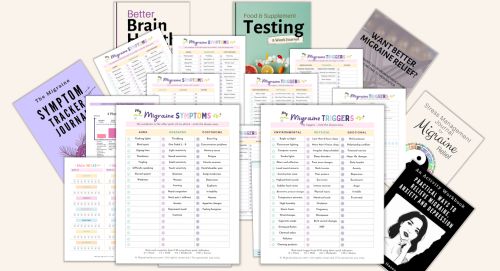
If you want structured tools to help you do this, I’ve created printable journals and tracking bundles including:
- Symptom & trigger trackers
- Food and supplement testing journals
- Stress management journals
You can browse them here:
→ Migraine Savvy Bookstore – Journals & Printable Bundles
Take your tracking records to your doctor to help you both make better decisions.
If Migraine Is Affecting Your Life Beyond the Pain
Migraine doesn’t just hurt your head.
It affects:
- Relationships
- Work
- Confidence
- Mood
- Finances
- Your sense of control
If you’re struggling emotionally, you’re not weak. You’re dealing with a chronic neurological condition.
These may help:
If anxiety or depression are becoming part of your migraine cycle, I also teach structured strategies inside my book:
→ Practical Ways to Manage Anxiety and Depression
You are allowed to get support.
If You Want Expert-Level Education
Migraine research evolves every year. New medications, devices, and treatment strategies continue to emerge.
One of the most reliable sources of up-to-date expert education is:
Each year, global headache specialists discuss:
- What to do when treatments stop working
- Options beyond medication
- Chronic migraine management
- New research developments
- Practical clinical strategies
If you want to hear directly from leading migraine experts, it’s worth attending.
Staying informed changes how you ask questions — and how you make decisions.
What Migraine Help Really Means
Migraine help does not mean finding one perfect cure.
It means building a layered plan that includes:
- Early acute treatment
- Long-term prevention strategies
- Nervous system regulation
- Lifestyle stability
- Emotional resilience
Some days migraine help looks like medication and ice in a dark room. Other days it looks like adjusting sleep patterns, improving hydration, or tracking hormonal shifts.
The key is consistency.
Small improvements compound over time. When you reduce trigger load, improve timing, and stabilize your nervous system, attacks often become more manageable.
And getting migraine help is not about doing everything at once.
It is about making steady, informed adjustments and evaluating what truly works for you.
Build Your Personal Migraine Help Plan
If I could leave you with one piece of advice, it’s this:
Don’t try to fix everything at once.
Start with:
- Early treatment timing
- Clear diagnosis
- Simple tracking
- Sleep consistency
- Gradual prevention layering
It’s structured, consistent management.
And you don’t have to do it perfectly to make progress.

A Final Word from Me
I know how overwhelming this can feel. I also know that the more informed you become, the more control you regain.
Use this page as your map. Come back when you need direction.
You are not alone in this.
And you are not out of options.
More Migraine Help Resources
Practical Migraine Advice & Everyday Strategies
Tools, Tracking & Organization
Emotional Health & Mental Resilience
Lifestyle & Nervous System Support
Education & Expert Resources
Professional Help & Structured Programs
Ready to take the next step?
Choose the next step that fits where you are right now.


CATEGORIES
Migraine Types
Symptoms
Migraine Causes
Migraine Triggers
Associated Migraine Conditions
Treatment Options
Prevention Strategies
Medications
Migraine Relief
Complementary Treatments
Migraine Help
Food & Diets
Recipes
Meditation
Your Migraine Stories
Patient Education on Migraine Headaches
MORE SUPPORT
Free Printable Downloads
Migraine Relief Secrets 5-Week eCourse
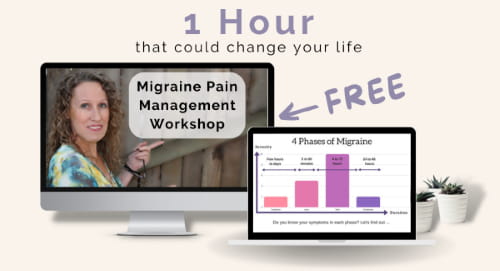
Free Migraine Pain Management Workshop
Free Module 1 - Migraine Pain Management Course
Free Brain Health Challenges
NEWSLETTER
Practical Tips & Tools for
migraine prevention
Get weekly updates.
CONTACT ME
contact-me@migrainesavvy.com
PRIVACY // TERMS & DISCLAIMERS // REFUND POLICY // AFFILIATE DISCLOSURE // ADVERTISE // CONTACT // SITEMAP // DONATE // SHOP
Medical Disclaimer: The information on MigraineSavvy.com is provided for educational purposes only and should not be used as a substitute for professional medical advice or psychological advice, diagnosis, or treatment. Always consult your healthcare provider before making any healthcare decisions. No content on this website establishes a doctor-patient relationship, and MigraineSavvy.com does not provide medical advice or assume any liability for how the information is used.
By using this website, you agree to the Terms of Use and Privacy Policy.
Copyright © 2010- MigraineSavvy.com. All rights reserved regardless of links or attributions. Content may not be reproduced in any form.

Powered by Solo Build It