- Home
- Associated Conditions
Associated Migraine Conditions: What Other Health Issues Are Linked?
Associated migraine conditions are health issues that occur more frequently in people who experience migraine attacks. Migraine rarely exists in isolation, and understanding these overlapping conditions can help you make safer treatment decisions and recognize broader health patterns.
 Migraine is linked with several neurological, psychiatric, and vascular conditions that may influence overall health and treatment decisions
When two chronic conditions occur together, they are referred to as comorbidities. This does not mean one condition causes the other. It means they are linked by shared biological pathways, genetic susceptibility, or overlapping neurological mechanisms.
Research shows that migraine is associated with certain psychiatric, vascular, neurological, and inflammatory conditions. Recognizing these connections can improve long-term management and reduce unnecessary fear or confusion.
So, understanding migraine comorbidities helps with:
- More accurate diagnosis
- Safer treatment choices
- Risk awareness
- Better long-term management
What Are Migraine Comorbidities?
Migraine is a neurological disorder involving sensory processing dysfunction, vascular changes, and inflammatory signaling. Because of this complexity, it is associated with several overlapping conditions.
These associations are strongest in people with migraine with aura but can occur in all migraine types.
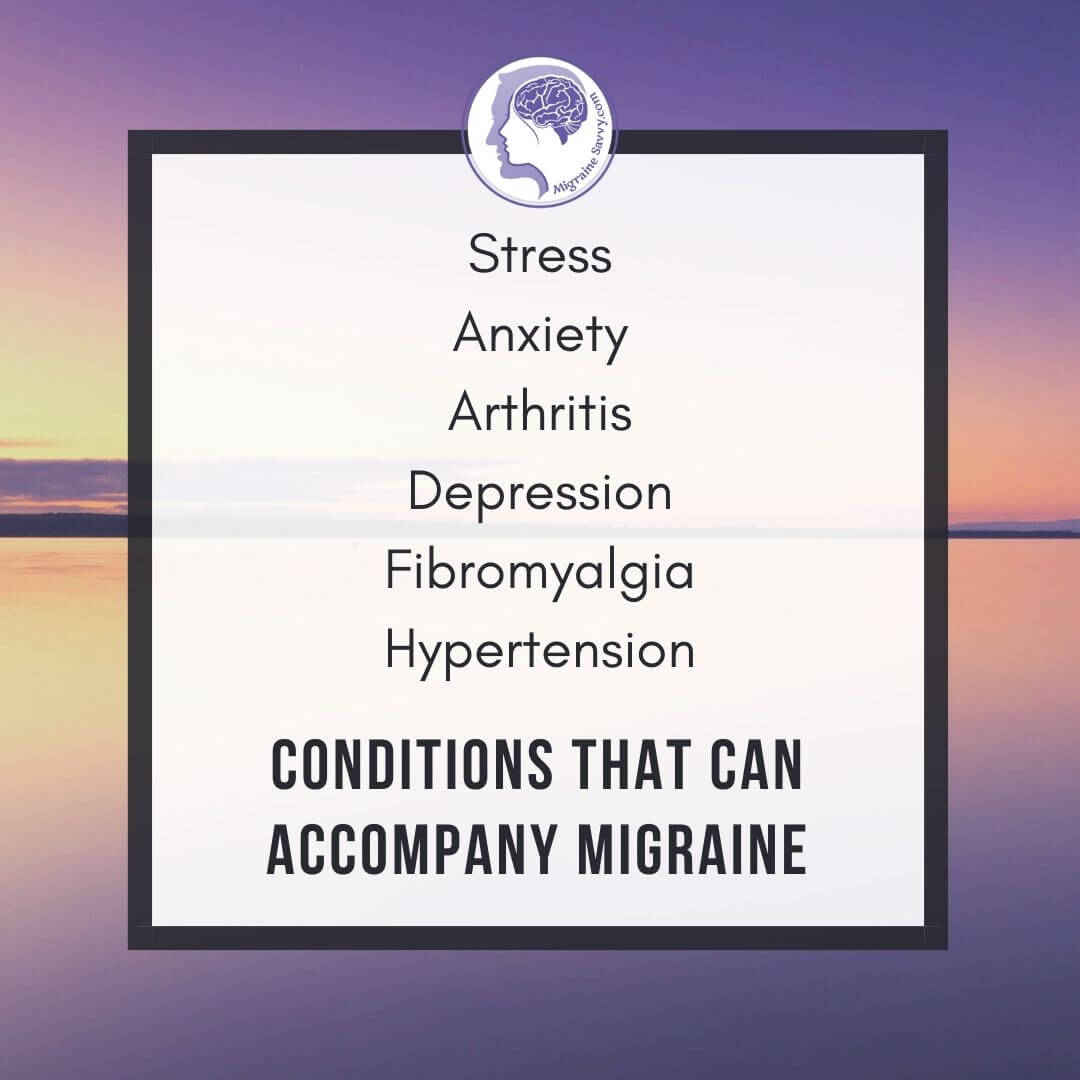
CONDITIONS THAT CAN ACCOMPANY MIGRAINE
Depression | Hypertension | Fibromyalgia | Arthritis | Stress | Anxiety
Here's a brief overview of the conditions can be comorbid with migraine and then we'll look at some in detail.
Psychiatric
- Depression
- Anxiety
- Panic Disorder
- Bipolar
Neurological
- Epilepsy
- Tourette's*
Vascular
- Raynaud's phenomenon
- Blood pressure (inconsistent)
- Ischemic stroke
- Sub-clinical stroke / stroke like lesions
- White matter lesions
Cardiac
- Patent foramen ovale*
- Mitral valve prolapse*
- Atrial septal aneurysm*
Other
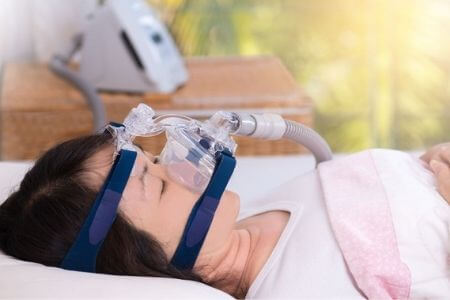
- Snoring / sleep apnea*
- Asthma / allergy
- Systemic lupus erythematosus*
- Non-headache pain
* Data from clinical rather than population-based studies. [1]
 Understanding conditions associated with migraine can help guide safer treatment decisions and improve long-term management
The Most Common Associated Migraine Conditions
Psychiatric Conditions
The strongest and most consistent links are with:
- Depression
- Anxiety
- Panic disorder
- Bipolar disorder
Living with chronic neurological pain increases vulnerability to mood disorders. At the same time, shared brain chemistry pathways may contribute to both migraine and psychiatric conditions.
Vascular & Stroke Risk
Migraine, especially migraine with aura, is associated with:
- Increased ischemic stroke risk
- White matter lesions
- Cardiovascular risk factors
The absolute risk remains low for most individuals, but smoking and estrogen-containing contraceptives increase risk.
→ Migraine with Stroke-Like Symptoms
→ How to Reduce Migraine Stroke Risk
Neurological Conditions
Migraine is also associated with:
- Epilepsy
- Sleep disorders
- Sensory hypersensitivity disorders
Shared mechanisms involving cortical excitability may explain overlap.
Chronic Pain & Inflammatory Conditions
Migraine commonly overlaps with:
- Fibromyalgia
- Temporomandibular disorders
- Irritable bowel syndrome
- Chronic fatigue
These conditions often involve central sensitization — an amplified pain response within the nervous system.
Why Do These Conditions Overlap?
Several mechanisms may explain comorbidity:
- Shared genetic vulnerability
- Neurotransmitter imbalance
- Hormonal influences
- Central sensitization
- Chronic stress response activation
Migraine is not “caused” by these conditions — but they may share biological pathways.
When to Speak with Your Doctor
If you experience:
- New neurological symptoms
- Stroke-like weakness
- Severe mood changes
- Sleep disruption
- Chronic widespread pain
Discuss these symptoms with your healthcare provider. Some treatments for migraine may need adjustment if comorbidities are present.
The Bottom Line
Migraine comorbidities are common. They do not mean you are “causing” your attacks or that migraine will lead to severe disease.
They simply reflect the complexity of the nervous system.
Understanding overlap allows for safer, more targeted care.
Extra Resources
Read More Associated Migraine Conditions
ASSOCIATED CONDITIONS Related Articles


Medical Disclaimer
Important: This page is for educational purposes only and is not a substitute for professional medical advice. If you experience new neurological symptoms, stroke-like signs, severe mood changes, or worsening health conditions, seek medical evaluation promptly. Always consult your healthcare provider for diagnosis and personalized treatment guidance.
Ready to take the next step?
Choose the next step that fits where you are right now.



Page Sources
Information on this page is based on peer-reviewed research regarding migraine comorbidities and neurological associations, including publications in Current Opinion in Neurology and other clinical reviews.
CATEGORIES
Migraine Types
Symptoms
Migraine Causes
Migraine Triggers
Associated Migraine Conditions
Treatment Options
Prevention Strategies
Medications
Migraine Relief
Complementary Treatments
Migraine Help
Food & Diets
Recipes
Meditation
Your Migraine Stories
Patient Education on Migraine Headaches
MORE SUPPORT
Free Printable Downloads
Migraine Relief Secrets 5-Week eCourse
Free Migraine Pain Management Workshop
Free Module 1 - Migraine Pain Management Course
Free Brain Health Challenges
NEWSLETTER
Practical Tips & Tools for
migraine prevention
Get weekly updates.
CONTACT ME
contact-me@migrainesavvy.com
PRIVACY // TERMS & DISCLAIMERS // REFUND POLICY // AFFILIATE DISCLOSURE // ADVERTISE // CONTACT // SITEMAP // DONATE // SHOP
Medical Disclaimer: The information on MigraineSavvy.com is provided for educational purposes only and should not be used as a substitute for professional medical advice or psychological advice, diagnosis, or treatment. Always consult your healthcare provider before making any healthcare decisions. No content on this website establishes a doctor-patient relationship, and MigraineSavvy.com does not provide medical advice or assume any liability for how the information is used.
By using this website, you agree to the Terms of Use and Privacy Policy.
Copyright © 2010- MigraineSavvy.com. All rights reserved regardless of links or attributions. Content may not be reproduced in any form.

Powered by Solo Build It