- Home
- Migraine Relief
Migraine Relief: Practical Strategies to Reduce Pain and Shorten Attacks
When a migraine attack begins, timing is critical. Effective migraine relief depends on what you do in the first hour, which can influence how intense the pain becomes and how long it lasts.
Migraine relief is not random. It relies on early intervention, correct medication timing, reducing neurological overload (calming the nervous system), and limiting environmental triggers while the attack unfolds.
A controlled, low-stimulation setting can significantly influence how your body responds during an attack.
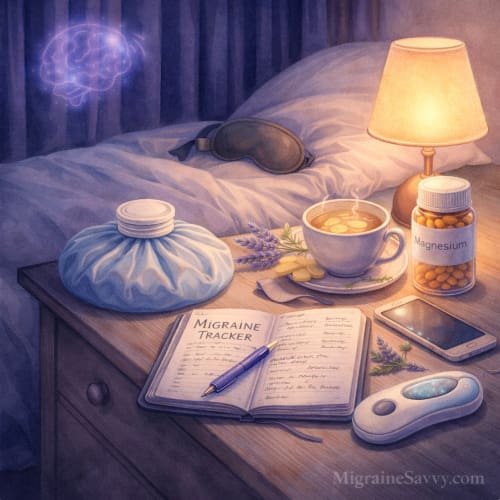 Creating a calm environment with targeted relief strategies can help reduce migraine pain and shorten attacks
Combining a calm environment with targeted relief strategies may help reduce migraine pain and shorten attacks.
The following strategies provide a practical approach to help you reduce pain, shorten attacks, and prevent escalation.
What Migraine Relief Really Means
Migraine relief can refer to immediate pain reduction during an attack or longer-term strategies that reduce frequency and severity over time. It does not always mean eliminating pain instantly.
Relief may involve:
- Reducing severity
- Shortening duration
- Preventing progression
- Improving recovery time
For some people, relief means aborting the attack completely. For others, it means preventing a 3-day episode from becoming a 7-day one.
The earlier you respond, the better the outcome.
Fast action matters.
How to Stop a Migraine Attack Quickly
When a migraine begins, timing matters more than intensity. The earlier you intervene, the greater your chances of reducing pain and shortening the attack.
Migraine relief is rarely about one single action. It is about layered response in the first 20–60 minutes.
If you feel an attack starting, act immediately.
What to Do at the First Sign of Migraine
Take your prescribed acute medication as directed. Most migraine-specific treatments work best when taken early in the pain phase, not hours later when the nervous system is fully activated.
At the same time:
- Apply ice to the back of the neck or temples.
- Reduce light and noise exposure.
- Drink water or an electrolyte solution.
- Lie down in a dark, quiet room.
- Use caffeine cautiously if it is part of your plan and approved by your doctor.
The goal is to calm neurological overstimulation before it escalates.
Why Early Action Works
Migraine involves a wave of neurological activation. Once central sensitization occurs, pain pathways become amplified and harder to shut down.
Early treatment helps:
- Reduce pain intensity
- Shorten attack duration
- Lower risk of prolonged attacks
- Prevent medication overuse cycles
Waiting often reduces treatment effectiveness.
Migraine relief improves when you respond to patterns instead of reacting to full-blown pain.
Read → Migraine Causes
 Using relief strategies early in a migraine attack may help reduce pain intensity and shorten duration
Migraine Relief Strategies
1. Use the Right Migraine Medication
Not all headaches respond to standard painkillers.
Over the counter medications like ibuprofen or acetaminophen may help mild attacks, but moderate to severe migraine often requires:
- Gepants
- Anti-nausea medication
- Combination therapy
Taking the wrong medication wastes time. Waiting too long reduces effectiveness.
If you are unsure whether you are treating migraine or tension headache, read → Migraine vs Headache
If OTC medications are not working, speak with your doctor about migraine-specific options.
Read → Migraine Medications
2. Act Early - Timing Is Critical
Migraine relief is most effective when treated at the first warning sign.
Early symptoms may include:
- Neck stiffness
- Yawning
- Mood shifts
- Light sensitivity
- Food cravings
Once central sensitization sets in, pain becomes harder to control.
Do not “wait and see.”
Early treatment dramatically improves outcomes.
Read → 4 Phases of Migraine
The sooner you act, the better chance you have to abort your attack.
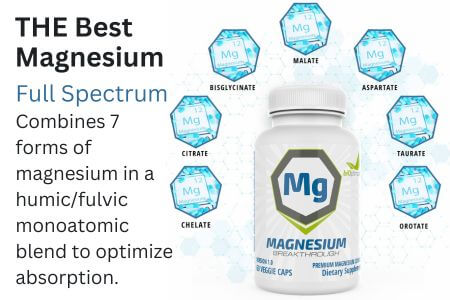
My #1 Choice in Magnesium Supplementation
3. Use Ice Strategically
Cold therapy remains one of the most reliable non-drug migraine relief methods.
Ice helps:
- Reduce inflammatory signaling
- Calm nerve activation
- Decrease pain intensity
Apply:
- Ice pack to the back of the neck
- Cold compress over the eyes
- Wearable migraine caps
Heat often worsens migraine pain for many people.
→ See: The Best Ice Packs for Migraine Relief
Ice does not replace medication. It enhances relief while you wait for treatment to work.
Using heat at the back of the head can make it worse. Ice is better to constrict the blood vessels thus reducing pain.
4. Control Your Environment
Migraine brains are sensory sensitive.
During an attack:
- Darken the room
- Reduce noise
- Limit screen exposure
- Minimize strong smells
Sensory reduction decreases neurological load and may reduce attack intensity.
 Sleep helps calm neurological activity and can shorten a migraine attack
5. Use Sleep as a Therapeutic Tool
Sleep can interrupt migraine progression.
If your body signals fatigue:
- Lie down in a dark room
- Use an eye mask
- Practice slow breathing
- Allow sleep to happen
Sleep resets neurological activity and reduces sensory stimulation.
→ Guided Migraine Meditation for Sleep
You heal during sleep.
6. Calm the Nervous System
Anxiety amplifies migraine pain.
When panic rises:
- Slow your breathing
- Relax jaw and shoulders
- Use guided meditation
- Focus on steady exhale
Stress does not cause migraine — but it can intensify the experience.
Nervous system regulation reduces secondary pain amplification.
→ Brain Training Exercises for Anxiety Reduction
→ Meditation for Migraine Relief & Stress Reduction
7. Track What Works
Migraine relief is individualized.
What works during one attack may not work during another.
Track:
- Medication timing
- Food intake
- Sleep patterns
- Relief methods used
- Attack duration
Patterns improve precision.
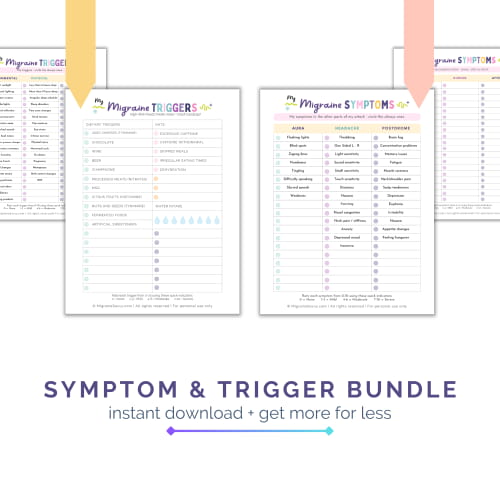
If you need structured tracking, see → Symptom & Trigger Trackers in my Bookstore
8. Consider Neuromodulation & Devices
For frequent or severe attacks, devices may improve migraine relief when used alongside medication.
Examples include:
- TENS units
- Biofeedback systems
These work by influencing nerve signaling pathways involved in migraine.
Results vary. Some people find significant reduction in pain intensity and frequency.
Devices are not miracle cures. They are adjunct tools.
→ Is Electric Migraine Relief Effective?
→ Alternative Treatment for Migraines
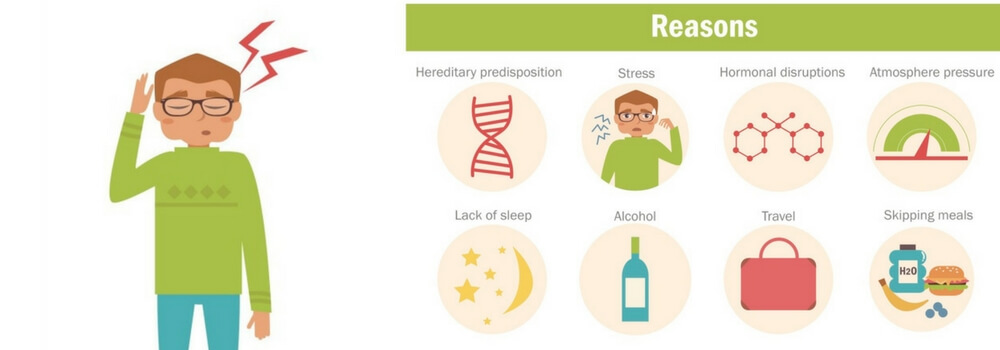 Effective migraine relief starts with early action and the right treatment approach.
What If Your Planned Migraine Relief Is Not Working?
If attacks:
- Last longer than 72 hours
- Increase in frequency
- Stop responding to medication
- Require frequent ER visits
You may need:
- Preventive medication
- Medication adjustment
- Specialist review
- Evaluation for medication overuse
Relief becomes harder when the overall plan is not structured.
→ Learn more about preventive options in Migraine Prevention.
Finding What Works
Migraine relief works best when it is layered:
- Early medication
- Ice therapy
- Environmental control
- Sleep
- Nervous system regulation
There is no cure.
But there are ways to reduce suffering, shorten attacks, and improve recovery.
The key is acting early and using the right tools consistently.
Next Steps for Migraine Relief
Medication & Supplement Support
Neuromodulation & Device-Based Options
At-Home Relief Strategies
Sleep & Recovery
Drug-Free & Complementary Approaches
Extra Resources
Ready to take the next step?
Choose the next step that fits where you are right now.
CATEGORIES
Migraine Types
Symptoms
Migraine Causes
Migraine Triggers
Associated Migraine Conditions
Treatment Options
Prevention Strategies
Medications
Migraine Relief
Complementary Treatments
Migraine Help
Food & Diets
Recipes
Meditation
Your Migraine Stories
Patient Education on Migraine Headaches
MORE SUPPORT
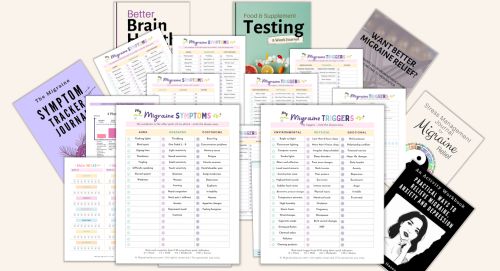
Free Printable Downloads
Migraine Relief Secrets 5-Week eCourse
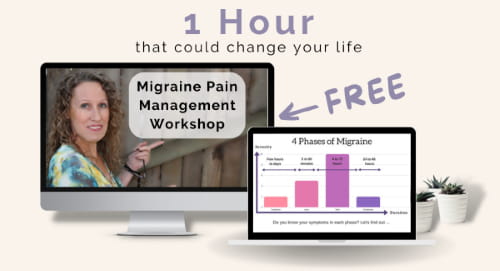
Free Migraine Pain Management Workshop
Free Module 1 - Migraine Pain Management Course
Free Brain Health Challenges
NEWSLETTER
Practical Tips & Tools for
migraine prevention
Get weekly updates.
CONTACT ME
contact-me@migrainesavvy.com
PRIVACY // TERMS & DISCLAIMERS // REFUND POLICY // AFFILIATE DISCLOSURE // ADVERTISE // CONTACT // SITEMAP // DONATE // SHOP
Medical Disclaimer: The information on MigraineSavvy.com is provided for educational purposes only and should not be used as a substitute for professional medical advice or psychological advice, diagnosis, or treatment. Always consult your healthcare provider before making any healthcare decisions. No content on this website establishes a doctor-patient relationship, and MigraineSavvy.com does not provide medical advice or assume any liability for how the information is used.
By using this website, you agree to the Terms of Use and Privacy Policy.
Copyright © 2010- MigraineSavvy.com. All rights reserved regardless of links or attributions. Content may not be reproduced in any form.

Powered by Solo Build It