- Home
- Migraine Education
- Migraine Quick Start Guide
Migraine Quick Start Guide for Relief & Prevention
Whether you’re new to migraine, managing it long-term, or supporting someone who suffers, this migraine quick start guide will help you find the right resources and next steps. Use the links to go deeper into topics or tools you need.
 Review this migraine quick start guide - support for newly diagnosed, people living with migraine and carers
Explore Key Migraine Topics
If you prefer to explore specific migraine topics, you may also find these articles helpful:
New to Migraine
If you have recently been diagnosed or are still trying to understand your attacks, start by learning how migraine works and how to track your patterns. Early understanding makes treatment decisions much easier later.
What Migraine Actually Is
Migraine is a neurological condition that can cause head pain, sensitivity to light or sound, nausea, and other symptoms. Understanding your migraine type and triggers is the first step after seeing your doctor.
Set aside some time to learn about your specific migraine pattern. Different migraine types sometimes require different treatment approaches.
Read more:
What to Do First
Track attacks and triggers using your migraine journal or tracker → Symptom Tracker.
Learn about acute relief options → Acute Migraine Relief.
Begin identifying patterns over the next 2–4 weeks.
What Matters Most Early On
Keep a simple diary of attacks, triggers, sleep, and nutrition habits.
Consult your doctor or healthcare provider about treatment options. Do not wait too long to investigate recurring attacks.
Prepare for your appointments so you get the most useful guidance → Headache Doctor or Migraine Specialist: How to Prepare.
Focus on stabilizing daily habits such as hydration and sleep → How to Properly Hydrate.
Further Resources
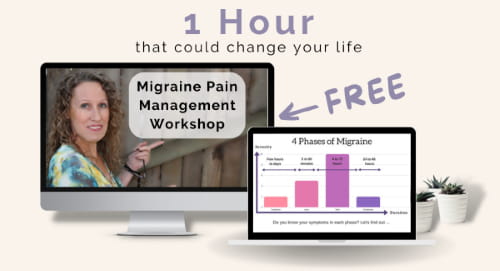
Free Migraine Pain Management Workshop → Watch the Workshop
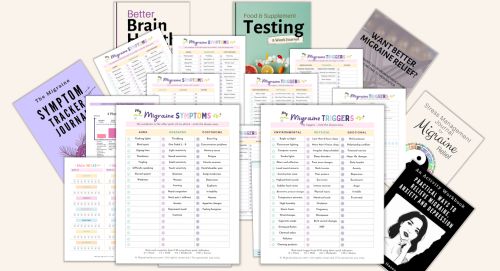
Beginner Tracking Journals → Download for Free
Basics of Treatment Options → Migraine Treatment Overview
Be Prepared → Help for Migraines: 11 Steps to Build Your Prevention Tool Kit
Living with Chronic Migraine
If migraine attacks occur frequently or have been part of your life for many years, management often requires a more structured approach. Long-term tracking, prevention strategies, and treatment adjustments become increasingly important.
Why Migraine Becomes Chronic
Frequent attacks may increase sensitivity within the brain’s pain pathways.
Lifestyle factors such as sleep disruption, stress, diet, and triggers can also influence attack frequency.
Understanding your patterns is essential for improving long-term stability.
Read more → Chronic Migraine: Symptoms, Causes and Long-term Treatment
Long-Term Strategy Focus
Managing Frequency and Intensity
Keep detailed records for your doctor.
Use non-medication strategies such as pacing, meditation, relaxation, and routine stabilization.
Evaluate triggers regularly and adjust routines when needed.
Further Resources
Advanced Treatment Options → Learn More
Nutrition & Migraine → Tips & Strategies
Free Download Tracking Tool → Migraine Bullet Journal
Supporting Someone with Migraine
If someone close to you lives with migraine, understanding the condition can make a significant difference in how you support them.
Start by learning what migraine actually feels like and what typically helps during an attack.
Read → Patient Education on Migraine Headaches
Understanding What Migraine Feels Like
Migraine is more than a headache. Attacks can include severe pain, nausea, sensory sensitivity, and visual disturbances that last for days.
Every person experiences migraine differently, so it is helpful to ask about their specific symptoms and triggers.
Read → 4 Stages of a Migraine Attack
What Helps and What to Avoid
Ask how you can help during an attack (quiet environment, hydration, medication reminders).
Ask which treatments or tools they already use.
Avoid minimizing the condition or suggesting quick fixes.
Respect sensitivities and triggers such as perfume, certain foods, bright light, or smoke.
Resources for Carers
Understand What's Happening → Migraine Help: Practical Support
Symptoms Overview → Migraine Symptoms
Treatment Overview → Migraine Treatments
Complete Acupressure Point Routine to help reduce frequency & severity → Pressure Points for Migraine Relief
Tracking Tools → Printable Migraine Symptom & Trigger Trackers
Further Resources
Free Migraine Pain Management Workshop → Watch Now
Lifestyle and daily management tips → Lifestyle & Migraine Help
Migraine-friendly meals and diet support → Gluten and Dairy Free Recipe Index
Migraine relief tools and supplies → Pain Relief Shop
Migraine Quick Start Guide: Next Steps
Choose the section above, in this migraine quick start guide, that best matches your current situation.
Explore the detailed guides linked throughout this page.
You can also find additional free support resources listed in the footer of this website.
If you are ready to go further:
Use tracking tools to identify your migraine patterns → Trigger & Symptom Tracker Journal Bundle
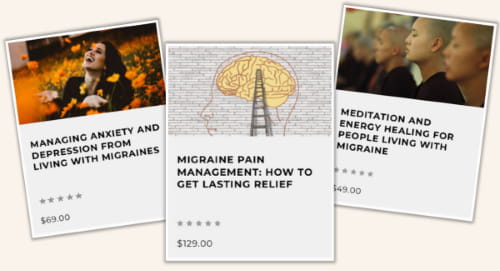
Explore structured migraine management learning (it's free to enroll in module 1 of my Migraine Pain Management Course) → View Courses
Browse practical tools, books, and printables → Visit Printables & Bookshop
Ready to take the next step?
Choose the next step that fits where you are right now.
MIGRAINE EDUCATION Related Articles




CATEGORIES
Migraine Types
Symptoms
Migraine Causes
Migraine Triggers
Associated Migraine Conditions
Treatment Options
Prevention Strategies
Medications
Migraine Relief
Complementary Treatments
Migraine Help
Food & Diets
Recipes
Meditation
Your Migraine Stories
Patient Education on Migraine Headaches
MORE SUPPORT
Free Printable Downloads
Migraine Relief Secrets 5-Week eCourse
Free Migraine Pain Management Workshop
Free Module 1 - Migraine Pain Management Course
Free Brain Health Challenges
NEWSLETTER
Practical Tips & Tools for
migraine prevention
Get weekly updates.
CONTACT ME
contact-me@migrainesavvy.com
PRIVACY // TERMS & DISCLAIMERS // REFUND POLICY // AFFILIATE DISCLOSURE // ADVERTISE // CONTACT // SITEMAP // DONATE // SHOP
Medical Disclaimer: The information on MigraineSavvy.com is provided for educational purposes only and should not be used as a substitute for professional medical advice or psychological advice, diagnosis, or treatment. Always consult your healthcare provider before making any healthcare decisions. No content on this website establishes a doctor-patient relationship, and MigraineSavvy.com does not provide medical advice or assume any liability for how the information is used.
By using this website, you agree to the Terms of Use and Privacy Policy.
Copyright © 2010- MigraineSavvy.com. All rights reserved regardless of links or attributions. Content may not be reproduced in any form.

Powered by Solo Build It