- Home
- Migraine Education
- Headache Relief Tips
Headache Relief Tips From 10 Leading Migraine Specialists
Headache relief tips from migraine specialists can help you manage triggers, optimize treatment timing, and reduce attack severity using evidence-based migraine treatment strategies.
If you're looking for strategies grounded in real clinical experience, the insights below come from leading migraine specialists interviewed at the Migraine World Summit.
These experts address common patient questions, from food triggers and hormonal migraine to neck pain, genetics, and treatment timing.
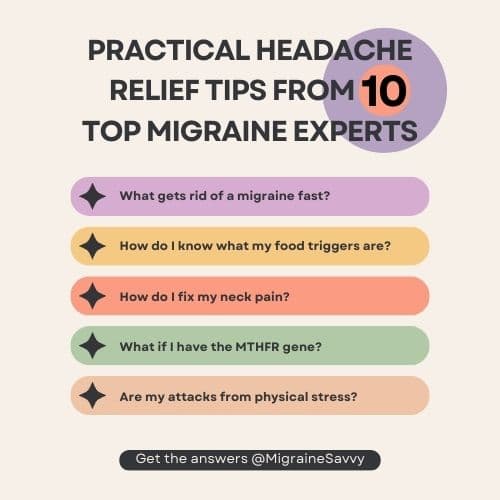 Headache relief tips from migraine specialists covering treatment timing, hormones, neck pain, triggers, and prevention strategies
Common Questions About Headache Relief
Many people living with migraine ask:
- Are migraines caused by stress?
- What can I do for menstrual migraine?
- Are alternative therapies helpful?
- What if I carry the MTHFR gene?
- How do I identify food triggers?
- Is my neck pain causing migraine, or part of the attack itself?
Below are expert insights that clarify these concerns.
If you’re unsure whether what you’re experiencing is migraine or another type of headache, see → Migraine vs Headache
Headache Relief Tips from 10 Migraine Specialists
1. Food Triggers Are Often Misunderstood
Dr. Peter Goadsby - Myths Around Food Triggers
Chocolate is commonly blamed as a trigger. However, cravings often occur during the early phase of an attack rather than causing it.
Migraine involves changes in the hypothalamus, which regulates sleep and appetite. Disruptions in routine, such as irregular sleep, skipped meals, or inconsistent exertion, may lower your threshold more than specific foods.
Key takeaway: Prioritize regular sleep, consistent meals, and routine before aggressively eliminating foods.
For a deeper explanation of trigger biology, see → Migraine Causes.
2. Hormonal Migraine Requires Targeted Strategy
Dr. Susan Hutchinson – Menstrual & Perimenopausal Migraine
For menstrual migraine, options may include:
- Continuous low-dose hormonal contraception
- Magnesium (around 400 mg daily) daily before menstruation
- Short-term triptan use that can reduce attack severity
Perimenopause may require carefully supervised low-dose estrogen support.
Hormonal migraine often improves with structured planning rather than trial and error.
If hormones are a major pattern in your attacks, you may also want to read → Balanced Hormones: Hype or Hope?
3. Psychological Support Is Preventive Medicine
Dawn Buse, PhD – Behavioral Migraine Management
Cognitive Behavioral Therapy, stress regulation, and biofeedback are evidence-based strategies shown to reduce migraine frequency and severity.
Living fully rather than waiting for attacks can improve long-term resilience and coping.
4. Prepare for Doctor Appointments Strategically
Dr. Paul Purdy – Migraine Diagnosis & Care Optimization
Bring:
- An updated medication list
- A clear symptom summary
- Changes since your last visit
- A short video of your attack if possible
Structured information improves diagnostic accuracy and treatment precision.
For a detailed guide, see → Headache Doctor Appointments: How to Be More Effective
5. The S.E.E.D.S. Protocol for Lifestyle Management
Dr. Amaal Starling – Integrative Migraine Care
S.E.E.D.S. stands for:
- Sleep: Maintain a consistent routine.
- Eat: Regular meals with minimally processed foods.
- Exercise: Gentle, consistent movement.
- Diary: Track patterns for you and your doctor.
- Stress Management: Active stress regulation plus appropriate medication use.
Consistency stabilizes your migraine threshold over time.
6. Genetics May Influence Treatment Response
Professor Lyn Griffiths – Migraine Genetics
Some individuals carry MTHFR gene variations that affect enzyme production and folate metabolism.
Research continues in this area. Genetic differences may eventually guide more targeted treatments but testing and supplementation should be discussed with a qualified provider.
7. Recognize the Prodrome Phase
Dr. Andrew Charles – The Four Phases of Migraine
Symptoms such as:
- Neck pain
- Yawning
- Light sensitivity
- Food cravings
- Fatigue
often signal the early phase of an attack.
Early treatment, including caffeine for some individuals, anti-inflammatory medication, or neuromodulation devices like Cefaly or TMS, may reduce escalation.
Learn more about the stages here → 4 Phases of Complex Migraine
8. Cluster Headache Is Often Misdiagnosed
Dr. William Young – American Headache Society
Up to 40% of individuals with cluster headache undergo dental procedures before receiving an accurate diagnosis.
Correct diagnosis is essential for effective treatment.
9. High-Risk Dietary Triggers
Dr. Josh Turknett – Food as Medicine
Common higher-risk contributors may include:
- Refined sugars
- Cereal grains such as wheat, rye, and barley
- Excess omega-6 fatty acids
- Dairy (for some individuals)
Improving sleep and reducing sugar often has greater impact than eliminating minor foods.
Triggers accumulate. Tracking helps identify meaningful patterns.
10. Neck Pain: Cause or Symptom?
Dr. Joel Saper – Head & Neck Pain
Neck pain may:
- Trigger an attack
- Result from migraine
- Or represent a separate issue
Triptans may reduce migraine-related neck pain due to their descending pain modulation effects.
Helpful strategies may include:
- Topical analgesics
High-velocity chiropractic manipulation of the neck is not recommended.
Learn Directly from Leading Migraine Specialists
Living with migraine can feel overwhelming, especially when treatments don’t work the way you hoped or when people around you don’t understand the condition.
If you are struggling with frequent migraine attacks, learning directly from experienced neurologists and headache specialists can provide valuable insight into what may help.
Each year, the Migraine World Summit features interviews with leading migraine neurologists, researchers, and patient advocates to discuss the latest developments in migraine science and treatment.
During the event, experts share practical information about:
- migraine prevention strategies
- treatment advances and medications
- lifestyle and trigger management
- emerging migraine research
- ways to improve quality of life with migraine
The summit streams free online for one week each year, allowing you to watch the interviews from home.
If you prefer to watch the sessions at your own pace, lifetime access is also available.
→ See the migraine experts speaking this year

Ready to take the next step?
Choose the next step that fits where you are right now.

MIGRAINE EDUCATION Related Articles




CATEGORIES
Migraine Types
Symptoms
Migraine Causes
Migraine Triggers
Associated Migraine Conditions
Treatment Options
Prevention Strategies
Medications
Migraine Relief
Complementary Treatments
Migraine Help
Food & Diets
Recipes
Meditation
Your Migraine Stories
Patient Education on Migraine Headaches
MORE SUPPORT
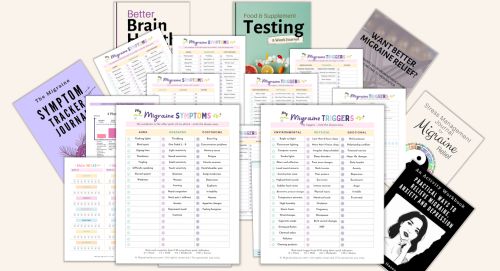
Free Printable Downloads
Migraine Relief Secrets 5-Week eCourse
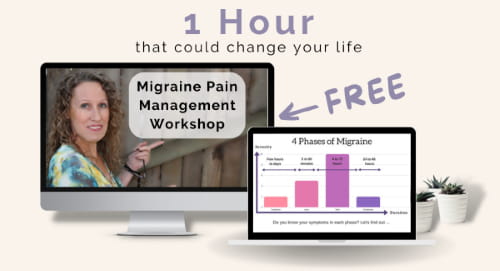
Free Migraine Pain Management Workshop
Free Module 1 - Migraine Pain Management Course
Free Brain Health Challenges
NEWSLETTER
Practical Tips & Tools for
migraine prevention
Get weekly updates.
CONTACT ME
contact-me@migrainesavvy.com
PRIVACY // TERMS & DISCLAIMERS // REFUND POLICY // AFFILIATE DISCLOSURE // ADVERTISE // CONTACT // SITEMAP // DONATE // SHOP
Medical Disclaimer: The information on MigraineSavvy.com is provided for educational purposes only and should not be used as a substitute for professional medical advice or psychological advice, diagnosis, or treatment. Always consult your healthcare provider before making any healthcare decisions. No content on this website establishes a doctor-patient relationship, and MigraineSavvy.com does not provide medical advice or assume any liability for how the information is used.
By using this website, you agree to the Terms of Use and Privacy Policy.
Copyright © 2010- MigraineSavvy.com. All rights reserved regardless of links or attributions. Content may not be reproduced in any form.

Powered by Solo Build It