- Home
- Migraine Education
Patient Education on Migraine Headaches: What You need to Understand
Patient education on migraine headaches starts with understanding what is actually happening inside your brain. If you live with migraine, you need clear, practical information not myths, not fear, and not false promises of a cure.
Migraine is not just a bad headache. It's a neurological disorder characterized by recurrent attacks of moderate to severe head pain often accompanied by nausea, sensory sensitivity, and neurological symptoms. The condition involves altered brain excitability, sensory processing changes, and inflammatory signaling. When you understand this, you stop blaming yourself and start managing it strategically.
The goal of migraine education for patients is simple - to help you recognize patterns, use treatment correctly, and reduce attack severity over time.
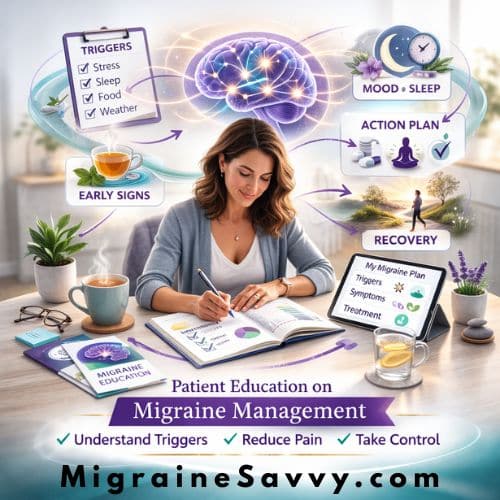 Structured migraine education includes tracking tools, prevention planning, and informed treatment decisions
This page reflects current evidence-based migraine education principles and clinical consensus on migraine management.
What Is a Migraine?
A migraine is a neurological attack that affects much more than your head.
You may experience:
- Throbbing or pulsating pain
- Nausea or vomiting
- Sensitivity to light and sound
- Visual disturbances (aura)
- Brain fog
- Fatigue after the attack
Migraine can occur with or without aura. It can be episodic or chronic.
It is diagnosed clinically based on symptom patterns rather than imaging tests.
If you are unsure which type you have, read → Types of Migraines
Understanding your type matters because treatment differs.
Why Patient Education on Migraine Headaches Matters
When you understand migraine, you:
- Take medication earlier
- Avoid medication overuse
- Recognize early warning signs
- Reduce unnecessary fear
- Make better prevention decisions
Many people search for “migraine cures.” There is currently no universal cure. But with proper education, you can reduce frequency and severity significantly.
If you want a deeper explanation of how attacks develop, read → Migraine Causes
Recognizing Early Symptoms
Migraine rarely starts with pain.
Before the headache phase, you might notice:
- Neck stiffness
- Yawning
- Mood changes
- Light sensitivity
- Food cravings
- Difficulty concentrating
This is called the prodrome phase.
Learning your early signs allows you to treat the attack before it escalates. Early treatment improves outcomes.
Track Your Patterns More Precisely
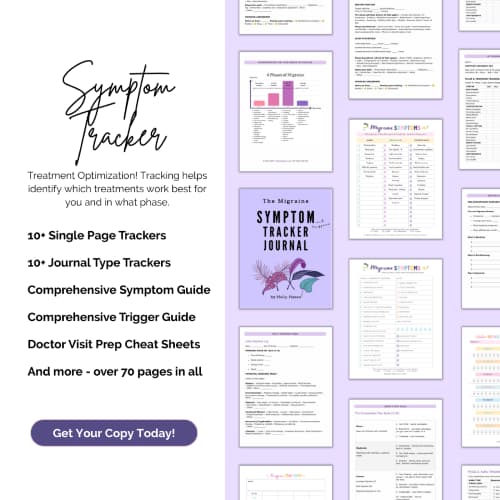
If you want to identify your early warning signs and treatment timing more clearly, structured tracking makes a significant difference.
You can use my Migraine Symptom & Trigger Trackers to monitor patterns, medication timing, and recovery trends more accurately.
→ Explore Migraine Trackers in the Bookstore
What Causes Migraine?
Migraine is influenced by:
- Genetic susceptibility
- Brain hyperexcitability
- Trigeminal nerve activation
- Hormonal fluctuations
- Environmental triggers
Triggers do not cause migraine by themselves. They activate an already sensitive nervous system.
If you are confused about the difference, read → Migraine Triggers
Understanding this prevents unnecessary food fear and self-blame.
Treatment Options You Should Know About
Migraine treatment falls into two categories:
Acute Treatment (Stopping an Attack)
Used to stop an attack once it begins.
Options may include:
- Gepants
- Anti-nausea medication
- NSAIDs (for mild attacks)
Timing matters. The earlier you treat, the better your results.
→ Read: Migraine Relief
Preventive Treatment (Reducing Frequency)
Used to reduce frequency and severity.
This may include:
- Prescription preventive medications
- Hormonal management
- Sleep regulation
- Nutritional strategy
Prevention often needs to be layered.
Lifestyle Factors That Influence Migraine
While lifestyle does not “cure” migraine, it can influence threshold.
Important factors to focus on include:
- Consistent sleep
- Regular meals
- Stress regulation
- Hormonal awareness
If food is a concern for you, read → Foods to Prevent Migraine Headaches
Structure lowers threshold volatility.
When You Should Seek Medical Attention
Migraine attacks can sometimes resemble other serious neurological conditions. If you are unsure whether your symptoms are migraine or something new, medical evaluation is important.
I also recommend reviewing:
Seek urgent evaluation if you experience:
- A sudden “worst headache of your life”
- New weakness or paralysis
- Persistent speech difficulty
- Sudden vision loss
- Headache after head injury
Migraine can mimic serious neurological events. New or unusual symptoms should always be evaluated.
Want to Hear Directly from the World’s Top Migraine Experts?
Patient education on migraine headaches does not stop with reading articles. Treatment options evolve every year, and new research continues to shape how migraine is managed.
One of the most comprehensive patient-focused educational events available is the Migraine World Summit.
Each March, over 30 of the world’s leading neurologists, researchers, and headache specialists share practical, evidence-based insights on migraine treatment, prevention strategies, emerging therapies, and long-term management.
The event streams free for 7 days.
If you want to deepen your understanding and hear directly from global experts — rather than filtered summaries — this is a powerful next step.
→ Learn More About the Migraine World Summit
Patient education is ongoing. The more informed you are, the more confident your decisions become.
Ready to Apply What You’re Learning?
Patient education on migraine headaches gives you clarity. But information alone does not always create change.
If you want a structured system to help you implement prevention strategies step by step, my Migraine Pain Management Course walks you through:
- Threshold stabilization
- Food and supplement experiments
- Medication timing strategies
- Nervous system regulation
- Structured prevention planning
This is where education becomes action.
The first module is free, so you can explore the framework before committing.
→ View the Migraine Pain Management Course
A Clear Path Forward
Migraine can feel unpredictable and overwhelming, especially when information is inconsistent or incomplete. The purpose of patient education on migraine headaches is not to overwhelm you with data, but to give you clarity.
When you understand how migraine works, how attacks develop, and how treatment should be timed, you reduce uncertainty. You begin making decisions based on knowledge instead of fear.
Migraine may not have a universal cure, but it does have structured management strategies. Education allows you to recognize patterns, evaluate treatment options more confidently, and work more effectively with your healthcare provider.
Clarity leads to better decisions. Better decisions lead to better outcomes over time.
Important: Medical Disclaimer
This content is intended for educational purposes only. It is not a substitute for individualized medical care. Migraine symptoms and treatment responses vary from person to person. Always consult a qualified healthcare professional for diagnosis, treatment planning, and evaluation of new or changing symptoms.
If you experience sudden severe headache, neurological weakness, speech difficulty, or vision changes, seek immediate medical attention.
Continue Your Migraine Education
If you want to deepen your understanding, these pages expand on specific areas of migraine education.
Understanding How Migraine Works
Treatment & Relief Strategies
Diet & Biological Influences
Working With Specialists
Lifestyle & Alternative Approaches
Ready to take the next step?
Choose the next step that fits where you are right now.
CATEGORIES
Migraine Types
Symptoms
Migraine Causes
Migraine Triggers
Associated Migraine Conditions
Treatment Options
Prevention Strategies
Medications
Migraine Relief
Complementary Treatments
Migraine Help
Food & Diets
Recipes
Meditation
Your Migraine Stories
Patient Education on Migraine Headaches
MORE SUPPORT
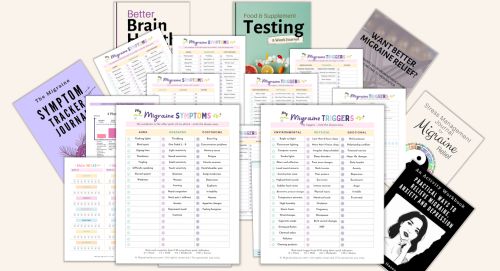
Free Printable Downloads
Migraine Relief Secrets 5-Week eCourse
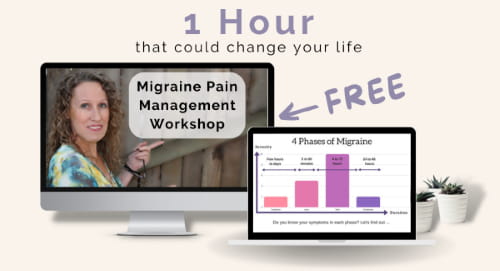
Free Migraine Pain Management Workshop
Free Module 1 - Migraine Pain Management Course
Free Brain Health Challenges
NEWSLETTER
Practical Tips & Tools for
migraine prevention
Get weekly updates.
CONTACT ME
contact-me@migrainesavvy.com
PRIVACY // TERMS & DISCLAIMERS // REFUND POLICY // AFFILIATE DISCLOSURE // ADVERTISE // CONTACT // SITEMAP // DONATE // SHOP
Medical Disclaimer: The information on MigraineSavvy.com is provided for educational purposes only and should not be used as a substitute for professional medical advice or psychological advice, diagnosis, or treatment. Always consult your healthcare provider before making any healthcare decisions. No content on this website establishes a doctor-patient relationship, and MigraineSavvy.com does not provide medical advice or assume any liability for how the information is used.
By using this website, you agree to the Terms of Use and Privacy Policy.
Copyright © 2010- MigraineSavvy.com. All rights reserved regardless of links or attributions. Content may not be reproduced in any form.

Powered by Solo Build It