- Home
- Food & Diets
- Migraine Headaches Diet
Migraine Headaches Diet: What to Eat, What to Avoid and Diets To Test
If you live with migraine, food can feel like both a trigger and a possible solution. Finding an effective migraine headaches diet is often one of the first strategies people try when searching for ways to reduce attack frequency and pain.
The challenge is that migraine triggers vary widely from person to person. A food that triggers attacks in one individual may have no effect on someone else. It also becomes complicated when your trigger tolerance changes and multiple triggers accumulate at the same time.
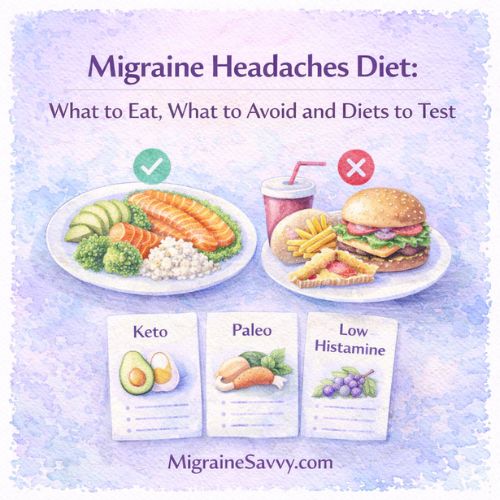 Understanding your migraine headaches diet can help you identify trigger foods and experiment with diet strategies that may reduce migraine attacks
That’s why the goal of a migraine headaches diet is not perfection. Instead, it is about learning how your body responds to different foods, nutrients, and eating patterns so you can gradually reduce your overall trigger load.
Below we’ll explore how diet may influence migraine attacks, the most common food triggers, foods that may support migraine prevention, and several dietary strategies you can experiment with when managing migraine.
How Diet Can Affect Migraine Attacks
Migraine is a complex neurological condition that involves changes in brain signaling, inflammation, and blood vessel activity.
Diet can influence migraine through several mechanisms, including:
- blood sugar fluctuations
- dehydration and electrolyte balance
- food sensitivities or intolerances
- nutrient deficiencies
- digestive health
For some people, skipping meals or experiencing large swings in blood sugar can trigger migraine attacks. Others may be sensitive to specific food chemicals such as tyramine, nitrates, or monosodium glutamate (MSG).
At the same time, improving overall nutrition may help support brain health and reduce vulnerability to migraine triggers.
Because diet is something we control every day, experimenting with nutrition strategies can become an important part of long-term migraine management.
Common Foods That Trigger Migraine
Many migraine sufferers report that certain foods can trigger attacks. However, these triggers vary widely between individuals.
Some commonly reported migraine trigger foods include:
- alcohol (especially red wine)
- aged cheeses
- processed meats containing nitrates
- foods containing MSG
- artificial sweeteners
- chocolate
- caffeine fluctuations
For some people, the problem may not be a single food, but a combination of triggers. For example, a food that is normally tolerated may trigger a migraine when combined with stress, sleep deprivation, or hormonal changes.
Because of these variations, identifying personal food triggers often requires careful observation and tracking.
You can learn more about specific trigger foods here:
→ Foods That Trigger Migraines
Foods That May Help Support Migraine Prevention
While some foods may trigger attacks, others contain nutrients that support brain and nervous system health.
Foods that may support migraine prevention often include those rich in key vitamins and minerals.
Examples include:
Magnesium-rich foods
- leafy greens
- pumpkin seeds
- almonds
- black beans
- whole grains
Riboflavin (Vitamin B2) foods
- eggs
- dairy products
- almonds
- lean meats
Omega-3 fatty acids
- salmon
- sardines
- mackerel
- walnuts
- flaxseeds
These foods do not “cure” migraine, but they may support the body’s energy metabolism and nervous system function.
You can explore this topic further here:
→ Foods to Prevent Migraine Headaches
Important Nutrients in a Migraine Headaches Diet
Several nutrients have been studied for their potential role in migraine prevention.
These nutrients help support mitochondrial energy production, nerve signaling, and inflammation control.
Commonly studied migraine nutrients include:
Magnesium
Magnesium deficiency has been observed in many migraine patients. Magnesium helps regulate nerve transmission and muscle relaxation.
Riboflavin (Vitamin B2)
Riboflavin plays an important role in cellular energy production. Some studies suggest that higher doses may reduce migraine frequency for some individuals.
Coenzyme Q10
CoQ10 supports mitochondrial function and energy production in brain cells.
Vitamin B12
Vitamin B12 supports nerve health and may be helpful for some individuals who experience fatigue after migraine attacks.
A well-balanced migraine headaches diet aims to provide adequate amounts of these nutrients through food sources whenever possible.
You can learn more about migraine nutrition strategies here:
→ Migraine Headaches Nutrition
Six Diets to Test for Migraine Prevention
Because migraine triggers vary widely, you may have to experiment with different dietary approaches to identify what works best for your body.
There is no single “best” migraine diet. However, several structured approaches may help reduce trigger load, improve metabolic stability, or support overall neurological health.
Migraine Elimination Diet
An elimination diet involves temporarily removing common trigger foods and gradually reintroducing them to identify sensitivities.
This structured approach can help identify individual food triggers more clearly.
Learn how to start here:
Ketogenic Diet for Migraine
The ketogenic diet is a high-fat, low-carbohydrate diet that encourages the body to use ketones for energy instead of glucose.
Because migraine is associated with altered brain energy metabolism, some research suggests ketosis may help reduce migraine frequency in certain individuals.
You can learn more here:
→ Can a Keto Diet Help with Migraines
Low Histamine Diet
Some people with migraine may be sensitive to histamine, a naturally occurring compound found in many foods.
Histamine sensitivity may also relate to reduced activity of the DAO (diamine oxidase) enzyme, which helps break down histamine in the body.
High-histamine foods include:
- aged cheeses
- fermented foods
- processed meats
- alcohol
For individuals with histamine intolerance, reducing histamine intake may help decrease migraine frequency.
This approach may be especially helpful if your migraines are accompanied symptoms such as flushing, sinus congestion, or digestive issues.
While not everyone with migraine is sensitive to histamine, this is a useful diet to test if you suspect food-related triggers.
→ Get a headache after eating? You could be histamine intolerant
You can also learn how food triggers work here → Foods That Trigger Migraines
Low Tyramine Diet
Tyramine is a naturally occurring compound found in aged and fermented foods. It has long been associated with migraine triggers.
Foods high in tyramine include:
- aged cheeses
- cured meats
- fermented foods
- certain alcoholic beverages
Some people with migraine may benefit from reducing tyramine intake, particularly if they notice consistent reactions to these types of foods.
You can read more about this here:
→ Migraine Food Triggers: Tyramine
Paleo-Style Diet (Whole Food Approach)
A paleo-style diet focuses on whole, unprocessed foods such as:
- vegetables
- fruits
- lean proteins
- nuts and seeds
While not specifically designed for migraine, this approach removes many common trigger foods such as processed ingredients, additives, and refined sugars.
For some individuals, simplifying food choices in this way may help reduce overall trigger exposure and support general health.
Macrobiotic Diet for Migraine
The macrobiotic diet focuses on whole, minimally processed foods such as:
- whole grains
- vegetables
- beans
- seasonal, locally sourced foods
Macrobiotic philosophy emphasizes balance, mindful eating, and reducing highly processed or artificial foods.
While there is limited direct research linking the macrobiotic diet specifically to migraine prevention, you may find that simplifying your diet and focusing on whole foods may help reduce overall trigger exposure.
This option would be useful if you prefer a more holistic or lifestyle-based way of managing migraine.
You can explore this approach in more detail here:
→ Macrobiotic Diet for Migraine
How to Identify Your Personal Food Triggers
Because migraine triggers vary so widely, the most effective migraine headaches diet is usually the one tailored to your own body.
Tracking your food intake and symptoms can help reveal patterns that are difficult to notice otherwise.
When tracking your diet, record:
- everything you eat and drink
- migraine symptoms
- medications taken
- sleep patterns
- stress levels
Over time you may begin to see connections between certain foods, lifestyle factors, and migraine attacks.
This type of structured tracking can help you refine your diet strategy and reduce guesswork.
Test Foods and Supplements in a Structured Way
Strategically find which foods and supplements may help reduce attacks
If you suspect that certain foods or supplements may be affecting your migraine attacks, it can be very difficult to identify patterns without a clear system.
Testing foods randomly often leads to confusion, because symptoms may appear hours or even days later. This structured testing plan guides you to introduce foods, supplements, and a few other things to benefit your overall health gradually while monitoring symptoms and reactions over the course of 8-weeks.
My Food & Supplement – 8 Week Testing Plan helps you:
- test foods and supplements more systematically
- not just any food or supplements but those known to help with migraine
- recognize patterns that develop over time
- build a clearer understanding of what supports your migraine and health
It’s a structured plan with weekly prompts that build from one week to the next, guiding your food and supplement experiments.
Over time this process can help reveal patterns and identify which foods or supplements may be contributing to your migraine attacks... or not!
→ Start the 8-week migraine food and supplement testing plan

Final Thoughts
There is no single migraine headaches diet that works for everyone.
What helps one person may have little effect for another. That is why experimentation, observation, and consistency are so important when exploring dietary changes for migraine.
For many people, improving their migraine headaches diet involves:
- identifying personal trigger foods
- maintaining regular meals
- staying properly hydrated
- supporting overall nutrition
Small adjustments over time can sometimes make a meaningful difference in migraine management.
By learning how your body responds to different foods and nutrients, you can gradually build a personalized diet strategy that supports better long-term migraine control.
Ready to take the next step?
Choose the next step that fits where you are right now.

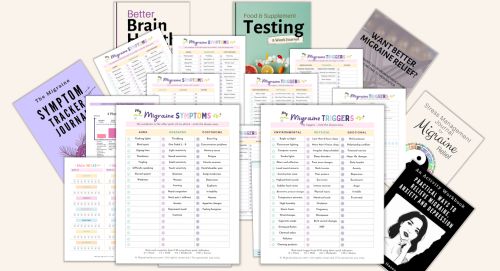

FOOD & DIETS Related Articles
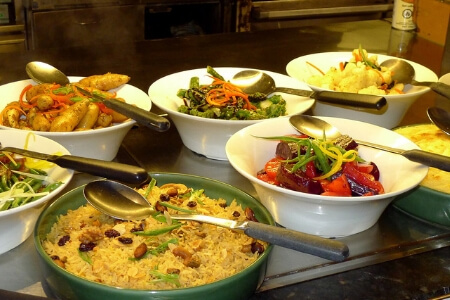
MIGRAINE SAFE RECIPES Related Articles

CATEGORIES
Migraine Types
Symptoms
Migraine Causes
Migraine Triggers
Associated Migraine Conditions
Treatment Options
Prevention Strategies
Medications
Migraine Relief
Complementary Treatments
Migraine Help
Food & Diets
Recipes
Meditation
Your Migraine Stories
Patient Education on Migraine Headaches
MORE SUPPORT
Free Printable Downloads
Migraine Relief Secrets 5-Week eCourse
Free Migraine Pain Management Workshop
Free Module 1 - Migraine Pain Management Course
Free Brain Health Challenges
NEWSLETTER
Practical Tips & Tools for
migraine prevention
Get weekly updates.
CONTACT ME
contact-me@migrainesavvy.com
PRIVACY // TERMS & DISCLAIMERS // REFUND POLICY // AFFILIATE DISCLOSURE // ADVERTISE // CONTACT // SITEMAP // DONATE // SHOP
Medical Disclaimer: The information on MigraineSavvy.com is provided for educational purposes only and should not be used as a substitute for professional medical advice or psychological advice, diagnosis, or treatment. Always consult your healthcare provider before making any healthcare decisions. No content on this website establishes a doctor-patient relationship, and MigraineSavvy.com does not provide medical advice or assume any liability for how the information is used.
By using this website, you agree to the Terms of Use and Privacy Policy.
Copyright © 2010- MigraineSavvy.com. All rights reserved regardless of links or attributions. Content may not be reproduced in any form.

Powered by Solo Build It