Migraine Diet Recipes: Safe Breakfast Ideas to Prevent Triggers
Starting the day with migraine diet recipes that are both satisfying and safe can make a real difference in managing migraine attacks. For many people living with migraine, breakfast plays an important role in stabilizing blood sugar, supporting brain energy, and avoiding common dietary triggers.
 Migraine diet recipes designed to stabilize blood sugar and help avoid common food triggers
The recipes below are simple, nourishing breakfast options designed to help you stay energized while avoiding common migraine triggers. They focus on whole foods, balanced nutrients, and ingredients that are typically well tolerated by people living with migraine.
Everyone’s triggers are different, so always adjust ingredients based on what works best for you.
Keeping a simple food journal can help you identify which ingredients support you and which may trigger symptoms.
What Makes These Migraine Diet Recipes Safe?
When building a migraine-friendly diet, the goal is not just avoiding triggers. It is also about supporting steady energy levels and reducing inflammation.
Many people with migraine benefit from meals that include:
- High-quality protein to stabilize blood sugar
- Healthy fats for sustained brain energy
- Magnesium-rich foods that support nerve function
- Fresh ingredients that avoid histamine buildup
If you experience histamine sensitivity, quick-cook meals like these are often easier to tolerate than leftovers or slow-aged foods.
Important reminder: foods stored for more than a day can build up tyramine and histamine levels, which may trigger migraine attacks in some people.
If you want to review high-histamine or tyramine foods, and get a free guide to download, you can read more here:
→ Headache After Eating? You Could Be Histamine Intolerant
You can also explore my full recipe collection here:
→ Gluten and Dairy Free Recipe Index
Why Breakfast Matters for Migraine Prevention
Skipping meals or allowing blood sugar to drop can be a common migraine trigger. Eating a balanced breakfast helps regulate glucose levels and provides the brain with steady fuel early in the day.
For many migraine sufferers, a good breakfast includes:
- Protein to prevent blood sugar crashes
- Healthy fats for longer lasting energy
- Fiber to support digestion and gut health
Consistency also matters. Eating meals at roughly the same time each day can help support circadian rhythm stability and metabolic balance.
If you often notice fatigue or symptoms later in the morning, try adding a small mid-morning snack to keep your blood sugar stable.

 Try these migraine diet recipes designed to help prevent triggers and provide steady morning energy
Migraine-Friendly Breakfast Recipes
Below are several easy migraine diet recipes designed to be simple, nutritious, and easy to prepare even on difficult migraine days.
Protein-Packed Migraine-Friendly Scrambled Eggs
 A simple high-protein migraine diet recipe to help stabilize blood sugar and prevent morning triggers
Prep Time: 5 minutes
Cook Time: 5 minutes
Serves: 1
Tags: Gluten Free, High Protein
Nutrition Information: calories 284; fat content 24.9 g
Good old-fashioned scrambled eggs - simple, quick, and satisfying! This recipe is migraine-friendly and packed with protein to keep you going all morning. Plus, there’s a secret ingredient I add for a little extra boost of energy.
Ingredients:
- 2 organic eggs
- 2 tablespoons of spring water
- 2 tablespoons of butter (or use your preferred amount)
- 1 pinch of sea salt
Instructions:
- Crack the eggs into a bowl. Add spring water and sea salt, then whisk everything together with a fork until it’s well mixed.
- Heat a pan over medium, then melt 1 tablespoon of butter. Pour in the egg mixture.
- Here’s the secret trick: drop the other 1 tablespoon of butter into the pan after the eggs start cooking. Let it sit in the eggs as they cook, giving them a richer, creamier texture.
- Stir gently for about 3-4 minutes until the eggs reach your desired doneness. Serve as you like - soft and runny or well-cooked.
For an extra boost, try adding half an avocado on the side or stirring in a tablespoon of coconut oil for lasting energy. You can also fry some leftover potatoes from the night before (but not older!) and sprinkle it all with green onions.
Tip: Want to make this dairy-free? Cook the eggs in coconut oil, olive oil, or even sesame oil for a nutty flavor.
Meal Prep Option: These scrambled eggs freeze surprisingly well! Pour the mixture into a muffin tin to make mini crustless quiches, which you can bake, freeze, and reheat later, perfect for those tough migraine days.
Breakfast Quinoa with Coconut Cream and Cinnamon
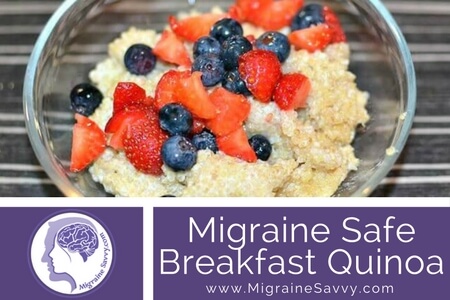 A warming migraine-friendly breakfast rich in fiber and healthy carbohydrates
Prep Time: 30+ minutes
Cook Time: 20 minutes
Serves: 4
Tags: Gluten-Free, Dairy-Free Option
Ingredients:
- ½ to ¾ cup Quinoa
- ¼ cup Coconut Cream (plus extra for serving, optional)
- 1 - 2 teaspoons Coconut Sugar
- ½ Cinnamon Stick
- ¼ cup sultanas or other dried fruit (cranberries, blueberries, or apricots work great)
Instructions:
- Rinse the quinoa thoroughly, then combine it with twice the amount of water, coconut sugar, cinnamon stick, and sultanas in a pot. Bring to a boil, then reduce heat to a simmer and cook for 15-20 minutes until the water is absorbed.
- Fluff the quinoa and let it steam for a few minutes with the lid on.
- For breakfast, serve with a splash of rice milk and add your favorite toppings - try shredded coconut, sunflower seeds, or a dash of cinnamon and pepitas.
- For a dessert-like twist, mix in an extra ¼ cup coconut cream while the quinoa is still warm to let it soak up the creaminess.
This can be served hot or cold.
Tips:
- Use maple syrup for added sweetness, or top with fresh fruit like mango slices and a drizzle of extra coconut cream for a treat.
- Make-ahead: Store portions in small containers for easy grab-and-go breakfasts.
Omega-3 Smoothie for Brain Support
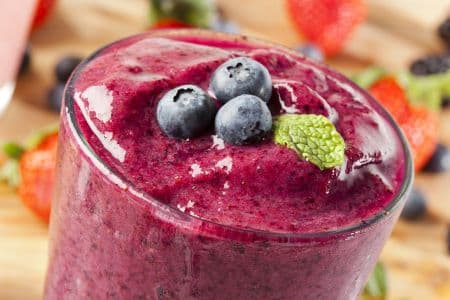 This omega-3 smoothie provides antioxidants and nutrients that support brain health for migraine sufferers
Omega-3 fats, magnesium-rich greens, and antioxidants make this smoothie a great option for supporting brain health and hydration.
Spinach and seeds in this smoothie provide natural sources of magnesium, a mineral that may support migraine prevention.
Ingredients
For the Smoothie:
- 1 cup unsweetened almond milk (or any preferred milk alternative)
- 1 medium banana (fresh or frozen) *I only use a half as a whole one can trigger an attack!
- 1 tablespoon chia seeds (for added omega-3s)
- 1 tablespoon ground flaxseeds (another great source of omega-3s)
- ½ cup fresh spinach (rich in magnesium, which may help reduce migraine attacks)
- ½ cup blueberries (high in antioxidants and anti-inflammatory properties)
- 1 tablespoon nut butter (like almond or peanut butter, optional for creaminess)
- ½ cup of coconut water (optional for sweetness)
- A dash of nutmeg
Optional Add-Ins:
- ¼ - 1 teaspoon cinnamon (known for its anti-inflammatory effects)
- ½ avocado (for added creaminess and healthy fats)
- A scoop or protein powder (if you want to make it more filling)
Directions
- Start by assembling all your ingredients. Fresh and high-quality produce will make a big difference in flavor and nutrition.
- Blend the base. In a blender, combine the almond milk, banana, chia seeds, ground flaxseeds, and spinach. Blend on high until smooth. If you're using a frozen banana, you may need to blend a little longer to achieve the desired consistency.
- Add the flavor boosters. Add the blueberries, nut butter (if using), and optional ingredients like cinnamon or avocado. Blend again until everything is well combined and the mixture is creamy. You can adjust the thickness by adding more almond milk or ice cubes.
- Taste and sweeten. Taste your smoothie and decide if you’d like to add a touch of honey or maple syrup for sweetness. I prefer coconut water. Blend once more to mix in the sweetener.
- Pour the smoothie into a glass or a travel cup if you're on the go. You can garnish with a sprinkle of chia seeds or a few extra blueberries on top if you like.
- Drink up! This Omega-3 Smoothie is a nutritious breakfast or a refreshing snack. Not only does it support your health, but it can also become a comforting part of your migraine diet recipes - easy to digest.
Tips:
- Preparation: For a quick morning routine, prep your ingredients the night before. Just store them in the fridge and blend in the morning.
- Storage: While best enjoyed fresh, you can store any leftovers in the fridge for up to 24 hours. Just give it a quick stir or shake before drinking.
By incorporating this Omega-3 Smoothie into your breakfast routine, you’re not only treating yourself to a delicious and nutritious start to the day, but you’re also taking proactive steps in your migraine management. This is also good after a long attack to replenish hydration using coconut water.
Avocado Toast with Poached Eggs
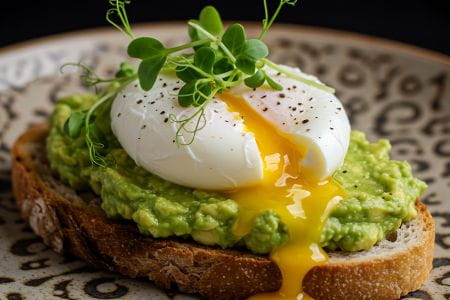 Healthy fats and protein make this avocado toast a satisfying migraine-friendly breakfast option
Avocado provides healthy fats and fiber, while eggs add protein to help stabilize blood sugar throughout the morning.
Ingredients
For the Toast:
- 1 ripe avocado (the star ingredient, rich in healthy fats, 14 grams of fiber)
- 1 - 2 slices gluten-free bread (choose your favorite brand)
- 2 large eggs (for protein and nourishment)
- 1 tablespoon olive oil (optional, for drizzling)
- Salt and pepper to taste (preferably sea salt)
- Red pepper flakes (optional, for a bit of heat)
Optional Toppings:
- Fresh herbs (like cilantro or parsley)
- Sliced tomatoes (for added freshness)
- A squeeze of lemon or lime juice (for brightness)
Directions
- Begin by toasting the gluten-free bread slices until they’re golden and crispy. This usually takes about 3-5 minutes, depending on your toaster.
- While the bread is toasting, cut the ripe avocado in half and remove the pit. Scoop the flesh into a bowl and mash it with a fork until creamy. You can leave it slightly chunky for texture. Add a pinch of salt and a squeeze of lemon juice if you’d like.
- Poach the eggs. Fill a saucepan with about 2-3 inches of water and bring it to a gentle simmer over medium heat. Crack one egg into a small bowl or ramekin. Create a gentle whirlpool in the simmering water with a spoon, then slowly slide the egg into the center. Let it cook for about 3-4 minutes until the white is set and the yolk is still runny. Repeat with the second egg.
- Assemble your toast. Spread a generous layer of the mashed avocado onto each slice of toasted gluten-free bread. Gently place a poached egg on top of each slice.
- Add the finishing touches - drizzle a bit of olive oil over the top, sprinkle with salt, pepper, and red pepper flakes if using. You can also add sliced tomatoes and fresh herbs for extra flavor and nutrition.
- Serve and enjoy this as a nutritious breakfast that not only tastes great but also supports healthy bowel movements with that fiber! WIN WIN!
Tips:
- Meal Prep: You can prepare the avocado mash in advance, but it’s best to eat it fresh to avoid browning. Adding lemon juice helps slow this down. I prefer lime juice!
- Variations: Feel free to add different toppings based on your preferences like radishes for crunch or a drizzle of balsamic glaze for sweetness. Half an avocado with 1 tablespoon each of olive oil and balsamic vinegar is delicious too.
This Avocado Toast with Poached Eggs is a great way to start your day, providing energy and nourishment while avoiding many common migraine triggers. It’s a perfect addition to your collection of safe migraine diet recipes.
How Food Choices Support Migraine Prevention
For many people living with migraine disease, diet is not about strict rules but about identifying patterns that work for your body.
Certain nutritional strategies can help reduce the likelihood of triggering an attack. These include:
- Maintaining stable blood sugar levels
- Avoiding processed foods and artificial additives
- Supporting gut health through whole foods
- Including magnesium-rich ingredients such as leafy greens, seeds, and nuts
Digestive health can also play a role in migraine patterns because the gut and brain communicate closely through the gut-brain axis.
If you struggle with digestive symptoms alongside migraine, you may want to read more here:
→ Digestion Problems and Migraine: The Gut–Brain Connection
Magnesium intake can also play an important role for some migraine sufferers. You can learn more here:
→ Which Magnesium Is Best for Migraines? Types That Work Best
Track Your Food Triggers More Easily
If you're experimenting with food triggers, keeping a structured journal can make a big difference. Tracking symptoms alongside meals helps reveal patterns that might otherwise go unnoticed.
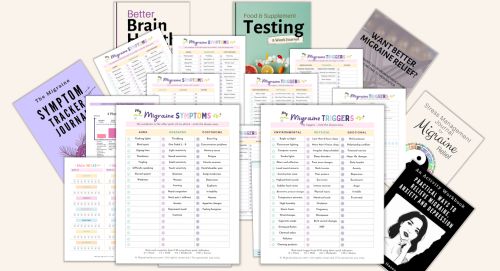
My 8-Week Migraine Food & Supplement Journal provides a simple framework to help you track meals, symptoms, and patterns more clearly.
→ See how the 8-Week Journal works
Migraine Diet Recipes FAQ
What foods help prevent a migraine?
What foods help prevent a migraine?
Answer - Foods that help prevent migraine attacks often include balanced sources of protein, healthy fats, and magnesium-rich ingredients. Examples include eggs, leafy greens, avocado, seeds, and whole foods that stabilize blood sugar. If you're living with migraine, you may also benefit from avoiding processed foods and common triggers like artificial additives and sweeteners.
What is the best breakfast for people living with migraine?
What is the best breakfast for people living with migraine?
Answer - Balanced breakfasts that combine protein, healthy fats, and fiber tend to work well for many people. Options such as eggs, smoothies with seeds and greens, or avocado-based meals may help provide steady energy without causing blood sugar spikes.
Are eggs good for people with migraine?
Are eggs good for people with migraine?
Answer - Eggs are often well tolerated by many people living with migraine because they provide protein and important nutrients like choline. Protein-rich foods can help stabilize blood sugar, which may reduce migraine triggers related to glucose fluctuations. However, individual triggers vary, so it is important to monitor your own response.
What foods should migraine sufferers avoid?
What foods should migraine sufferers avoid?
Answer - Common migraine trigger foods may include aged cheeses, processed meats, artificial sweeteners, alcohol, chocolate, and foods high in histamine or tyramine. Because triggers vary widely between individuals, keeping a food journal can help identify your personal sensitivities.
Can diet really help reduce migraine attacks?
Can diet really help reduce migraine attacks?
Answer - Diet alone will not eliminate migraine for most people, but it can be an important part of a broader management plan. Stabilizing blood sugar, supporting gut health, and avoiding personal trigger foods may help reduce attack frequency or severity.
Final Thoughts
Food is only one part of migraine management, but it can be an important one. Starting the day with balanced meals that support energy and avoid common triggers can help reduce stress on the brain and body.
These migraine diet recipes are meant to be simple starting points. Adjust them based on your personal triggers, your tolerance levels, and your nutritional needs.
With a little experimentation and consistency, food can become a supportive part of your long-term migraine prevention strategy.
Related Diet Strategies
More Migraine-Safe Recipes
Ready to take the next step?
Choose the next step that fits where you are right now.



CATEGORIES
Migraine Types
Symptoms
Migraine Causes
Migraine Triggers
Associated Migraine Conditions
Treatment Options
Prevention Strategies
Medications
Migraine Relief
Complementary Treatments
Migraine Help
Food & Diets
Recipes
Meditation
Your Migraine Stories
Patient Education on Migraine Headaches
MORE SUPPORT
Free Printable Downloads
Migraine Relief Secrets 5-Week eCourse
Free Migraine Pain Management Workshop
Free Module 1 - Migraine Pain Management Course
Free Brain Health Challenges
NEWSLETTER
Practical Tips & Tools for
migraine prevention
Get weekly updates.
CONTACT ME
contact-me@migrainesavvy.com
PRIVACY // TERMS & DISCLAIMERS // REFUND POLICY // AFFILIATE DISCLOSURE // ADVERTISE // CONTACT // SITEMAP // DONATE // SHOP
Medical Disclaimer: The information on MigraineSavvy.com is provided for educational purposes only and should not be used as a substitute for professional medical advice or psychological advice, diagnosis, or treatment. Always consult your healthcare provider before making any healthcare decisions. No content on this website establishes a doctor-patient relationship, and MigraineSavvy.com does not provide medical advice or assume any liability for how the information is used.
By using this website, you agree to the Terms of Use and Privacy Policy.
Copyright © 2010- MigraineSavvy.com. All rights reserved regardless of links or attributions. Content may not be reproduced in any form.

Powered by Solo Build It