- Home
- Food & Diets
- Macrobiotic Diet for Migraine
Macrobiotic Diet for Migraine: Foods, Principles And Migraine Prevention
If you're exploring diet changes to help manage migraine attacks, the macrobiotic diet for migraine offers a structured, whole-foods approach. This way of eating focuses on seasonal cooking, balance, and mindfulness, which may help reduce inflammation and support overall health, potentially influencing migraine frequency and severity.
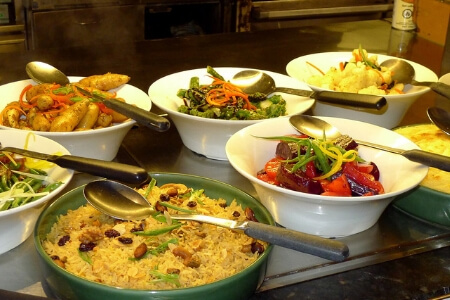
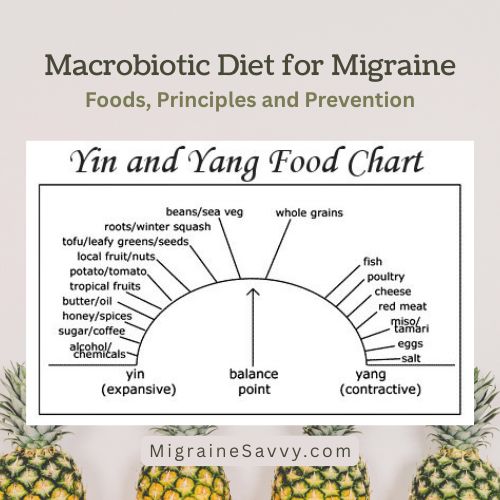 Macrobiotic diet foods often associated with migraine prevention including whole grains, vegetables, tofu, and plant-based meals
While no single diet works for everyone, a macrobiotic approach can simplify your food choices and help you become more aware of how your body responds to different foods.
I followed a macrobiotic lifestyle for over ten years. While it didn’t eliminate my migraines, it taught me valuable lessons about food quality, digestion, and mindful eating that still influence how I approach my diet today.
For a broader overview of migraine diet strategies, see:
→ Migraine Headaches Diets
Macrobiotic Diet for Migraine: Quick Overview
The macrobiotic diet for migraine emphasizes whole, minimally processed foods, mindful eating, and seasonal adjustments. Key principles include:
- Favor cooked vegetables and whole grains over raw or processed foods.
- Limit sugar, alcohol, and highly processed items.
- Eat in moderation and choose balancing foods to support digestion and steady energy.
- Adjust food choices seasonally.
These guidelines provide a foundation for understanding how a macrobiotic approach can fit into your daily routine and support migraine management.
What Is the Macrobiotic Diet and How Does It Work?
The macrobiotic diet is a traditional Japanese-inspired way of eating that emphasizes whole foods, balance, and seasonal living. Michio Kushi popularized this approach as a way to support long-term health and disease prevention.
Typical macrobiotic foods include:
- Whole grains: brown rice, barley, millet, whole wheat, quinoa
- Vegetables: carrots, pumpkin, cabbage, leafy greens, daikon radish
- Beans and legumes: lentils, adzuki beans, chickpeas
- Sea vegetables: nori, wakame, kombu
- Fermented foods: miso, tempeh, fermented vegetables
Highly processed foods, refined sugar, and many animal products are usually limited.
Macrobiotic philosophy also encourages:
- Eating slowly and chewing food thoroughly
- Cooking foods appropriate to the season
- Maintaining balance between different food energies
For many, macrobiotic eating becomes more than a diet—it is a lifestyle.

 The macrobiotic diet focuses on whole grains, vegetables, and balanced plant-based meals
How the Macrobiotic Diet Approaches Migraine
In macrobiotic philosophy, headaches often result from dietary imbalance. Foods are described in terms of Yin and Yang energy:
Excessively Yin foods: sugar, alcohol, chocolate, dairy
Excessively Yang foods: salted meats, heavily salted foods, excessive animal fat
Certain foods are considered expansive while others are considered contractive.
According to macrobiotic teachings, migraine may develop when these food energies become too extreme.
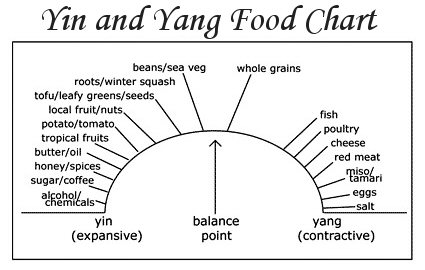 Macrobiotic Diet for Migraine: Yin and Yang Food Chart
The goal is to bring extremes into balance using simple, whole foods.
Modern migraine research suggests that migraine is a complex neurological condition influenced by many factors, including genetics, brain chemistry, hormones, and environmental triggers. Diet may play a role, but it is rarely the only factor.
A balanced macrobiotic way of eating will help eliminate headaches and prevent their recurrence.
~ Michio Kushi
Macrobiotic Diet Foods List: What You Can Eat
A traditional macrobiotic diet focuses on whole foods prepared using traditional methods.
- Whole grains: brown rice, barley, millet, quinoa
- Vegetables: leafy greens, carrots, pumpkin, cabbage, daikon
- Beans and legumes: lentils, chickpeas, adzuki beans
- Sea vegetables: nori, wakame, kombu
- Fermented foods: miso, tempeh, fermented vegetables
These foods provide fiber, minerals, and plant-based nutrients that support overall health and stable energy levels.
Foods to Avoid or Limit on a Macrobiotic Diet
Many macrobiotic approaches reduce or avoid overly stimulating or imbalanced foods, such as:
- Refined sugar and processed foods
- Alcohol and coffee
- Highly processed meats and large amounts of dairy
- Some raw fruits, nightshade vegetables, and certain other foods depending on individual tolerance
As with any diet strategy, tolerance varies widely between individuals.
→ Download the PDFs for the Food Chart in the Control Cycle and Five Element Eating Chart
Macrobiotic Practices Beyond Food
Macrobiotic eating is that it emphasizes how you eat, not just what you eat.
- Chew food slowly (up to 50 times per mouthful)
- Eat in a calm environment
- Avoid overeating
- Cook foods according to the season
Many also incorporate lifestyle practices such as walking, outdoor activity, mindfulness, and bodywork therapies like shiatsu—helping reduce stress and support overall well-being.
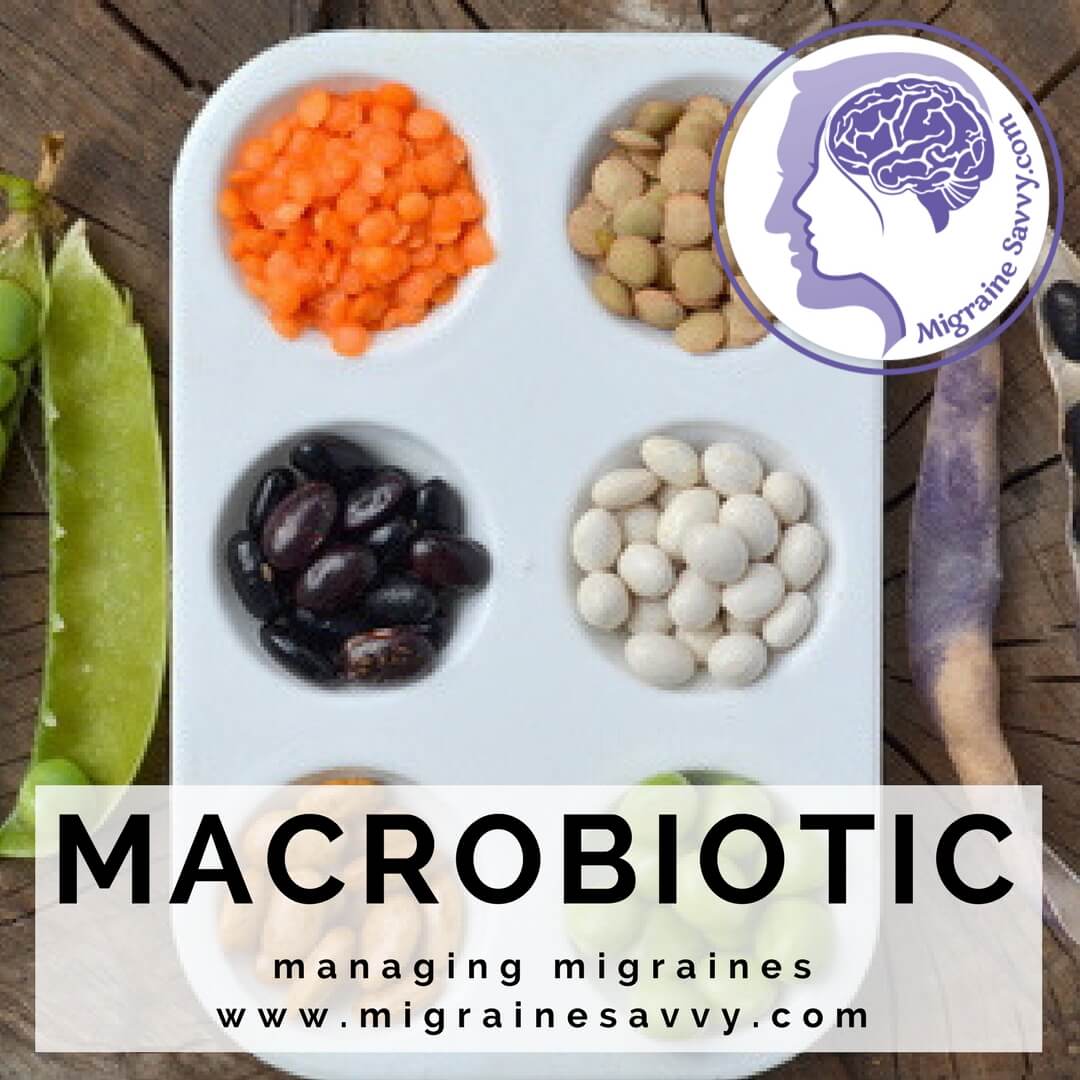 Whole foods are used in a macrobiotic diet for migraine prevention strategy
Seasonal Adaptations in a Macrobiotic Diet
Eating seasonally is central to macrobiotic philosophy. Cooking methods and food choices change with the seasons.
Lighter cooking methods are typically used in warmer months, while slower, more nourishing methods are used in cooler seasons.
Here’s how I personally adapt my meals throughout the year:
Spring
Focus on lighter, fresh foods such as leafy greens, spinach, Swiss chard, and seasonal berries.
Fish such as mackerel, sardines, and salmon may also be included.
Cooking methods: steaming, light stir-frying.
Summer
Choose cooling, hydrating foods such as cucumber, berries, and fresh herbs, along with lighter proteins like grilled chicken or fish.
Cooking methods: grilling, quick stir-frying, light roasting.
Autumn (Fall)
Shift toward more grounding vegetables such as pumpkin, squash, Brussels sprouts, broccoli, and cauliflower, along with whole grains like quinoa.
Cooking methods: baking, pressure cooking, longer sautéing.
Winter
Emphasize warming, nourishing meals such as soups and broths with root vegetables like sweet potato and carrots, along with chicken or turkey.
Cooking methods: slow cooking, simmering, baked dishes.
Between Seasons (Transitional Periods)
Include foods such as beetroot, turnip, swede, squash, seeds, sea vegetables, and lighter proteins like fish.
Cooking methods: boiling, casseroles, soups.
This encourages variety and aligns food with the body’s needs throughout the year.
Macrobiotic Diet Plan for Migraine: Simple Daily Guidelines
If you are looking for a simple way to follow a macrobiotic diet for migraine, these practical guidelines will help you get started.
1. Eat whole cereal grains at every meal – brown rice, barley, wheat, millet, and quinoa. During a headache do not eat buckwheat. Avoid baked flour products like bread, cookies, or crackers.
2. Avoid fried rice and fried noodles, fried foods in general.
3. Avoid over consumption of meat and salted meat. Avoid cooking with a lot of oil.
4. If you have Miso soup - try it half strength and have more broth. Too salty is not good.
5. Eat a large variety of fresh vegetables like pumpkin, carrot and Daikon, especially if you experience hypoglycemia – but avoid – potatoes, tomatoes, eggplant, yams and avocados.
6. Avoid raw salad. Cooked food is best.
7. Allow fish once a week if desired, steaming or baking is preferred.
8. Eat beans and sea vegetables.
9. Avoid fruit - Cooked fruits are preferred to fresh or dried fruits. It is preferred to steam or stew fruits with a sprinkle of sea salt whilst cooking them. The salt brings out the sweetness.
10. Avoid nuts and sunflower seeds. Sesame seeds and pumpkin seeds are ok once in a while.
11. Avoid stimulants – coffee, alcohol, mint tea and peppermint tea (surprised?). Mint is considered a stimulant.
12. Have salt only in moderation, natural sea salt or Celtic salt is assumed.
13. Avoid midnight snacks – give digestion time to rest so your sleep re-energizes the organs.
14. Chew at least 50 times per mouthful and put your fork down while you chew.
Tracking food, supplements, and symptoms is easier with a structured plan:
→ Look inside the 8-Week Food & Supplement testing plan
Macrobiotic Intervention During a Migraine Attack
Some macrobiotic practitioners suggest using certain targeted foods during an attack when you're experimenting with a macrobiotic diet for migraine relief.
During an attack, some macrobiotic strategies include:
- Cooked apples or heated apple juice
- Hot water with rice vinegar
- Umeboshi plums to neutralize the “extreme” attack.
For exact instructions → Chinese Cure for Migraine Headache
For extra support, massage the migraine pressure points on your
big toes
on each foot all around the nail bed is said to reduce pain and help ward off an impending attack.
My Personal Experience with the Macrobiotic Diet
I followed a macrobiotic lifestyle for more than ten years. For me this included daily yoga, regular walking outdoors, seasonal cooking, and a strong focus on whole foods.
One of the most valuable lessons I learned was how powerful food quality and food preparation can be.
Eating more whole foods, cooking from scratch, and paying attention to digestion improved my overall health.
However, despite following macrobiotic principles very strictly for many years, it did not prevent my migraine attacks.
That experience taught me something important about migraine. There is rarely one single solution.
Food can be part of the puzzle, but migraine management usually requires a combination of strategies.
Does a Macrobiotic Diet Help Migraine?
Some people notice improvements when switching to whole foods and reducing processed items. Benefits include:
- Better digestion
- Steadier blood sugar
- Reduced processed food intake
Results vary depending on individual triggers and lifestyle. For additional diet options:
→ Can a Keto Diet Help with Migraines
Test Foods and Supplements in a Structured Way
Strategically find which foods and supplements may help reduce attacks
If you suspect that certain foods or supplements may be affecting your migraine attacks, it can be very difficult to identify patterns without a clear system.
Testing foods randomly often leads to confusion, because symptoms may appear hours or even days later. This structured testing plan guides you to introduce foods, supplements, and a few other things to benefit your overall health gradually while monitoring symptoms and reactions over the course of 8-weeks.
My Food & Supplement – 8 Week Testing Plan helps you:
- test foods and supplements more systematically
- not just any food or supplements but those known to help with migraine
- recognize patterns that develop over time
- build a clearer understanding of what supports your migraine and health
It’s a structured plan with weekly prompts that build from one week to the next, guiding your food and supplement experiments.
Over time this process can help reveal patterns and identify which foods or supplements may be contributing to your migraine attacks... or not!
→ Start the 8-week migraine food and supplement testing plan

Final Thoughts
The macrobiotic diet offers a structured, mindful approach to eating. While it may not eliminate migraines entirely, focusing on whole foods, seasonal eating, and balance can support overall health and reduce certain triggers.
Start simple, track your responses, and build a plan that works for your body.
→ Use the Food & Supplement Testing Plan for a step-by-step approach
Ready to take the next step?
Choose the next step that fits where you are right now.


FOOD & DIETS Related Articles
MIGRAINE SAFE RECIPES Related Articles



Macrobiotic Diet for Migraine Prevention Reference:
1. Kushi, M. and Jack A. (2003)
The Macrobiotic Path to Total Health
(1st Ed.). Ballantine Books: NY, USA. pp. 228-232.

CATEGORIES
Migraine Types
Symptoms
Migraine Causes
Migraine Triggers
Associated Migraine Conditions
Treatment Options
Prevention Strategies
Medications
Migraine Relief
Complementary Treatments
Migraine Help
Food & Diets
Recipes
Meditation
Your Migraine Stories
Patient Education on Migraine Headaches
MORE SUPPORT
Free Printable Downloads
Migraine Relief Secrets 5-Week eCourse
Free Migraine Pain Management Workshop
Free Module 1 - Migraine Pain Management Course
Free Brain Health Challenges
NEWSLETTER
Practical Tips & Tools for
migraine prevention
Get weekly updates.
CONTACT ME
contact-me@migrainesavvy.com
PRIVACY // TERMS & DISCLAIMERS // REFUND POLICY // AFFILIATE DISCLOSURE // ADVERTISE // CONTACT // SITEMAP // DONATE // SHOP
Medical Disclaimer: The information on MigraineSavvy.com is provided for educational purposes only and should not be used as a substitute for professional medical advice or psychological advice, diagnosis, or treatment. Always consult your healthcare provider before making any healthcare decisions. No content on this website establishes a doctor-patient relationship, and MigraineSavvy.com does not provide medical advice or assume any liability for how the information is used.
By using this website, you agree to the Terms of Use and Privacy Policy.
Copyright © 2010- MigraineSavvy.com. All rights reserved regardless of links or attributions. Content may not be reproduced in any form.

Powered by Solo Build It