Foods That Trigger Migraines: Common Food Triggers to Watch For
Identifying foods that trigger migraines can be one of the most frustrating parts of living with migraine disease. Many people assume there is a single “migraine diet,” but the reality is far more individual.
A food that triggers migraine attacks in one person may have no effect on someone else. That is why most migraine specialists recommend identifying triggers through careful observation, elimination diets, and food tracking.
However, research and clinical experience have shown that certain foods appear more frequently as migraine triggers. Understanding these common triggers can help you narrow down which foods may be worth testing.
 Common migraine trigger foods and a simple way to track your food triggers
Why Certain Foods Trigger Migraines
Migraine is a complex neurological condition that involves changes in brain chemistry, inflammation, and nerve signaling. Certain foods can influence these processes and make the brain more sensitive to migraine triggers.
Researchers believe several biological mechanisms may explain why foods can trigger migraine attacks.
Tyramine
Tyramine is a naturally occurring compound formed when proteins break down in aged or fermented foods. It can affect blood vessel regulation and brain chemistry.
Foods high in tyramine include:
- aged cheeses
- cured meats such as salami or pepperoni
- fermented foods such as sauerkraut
- soy sauce and miso
You can learn more about this trigger here:
→ Migraine Food Triggers: Tyramine
Histamine
Histamine is another compound that may trigger migraine attacks in some people. It plays a role in immune responses and inflammation.
Foods high in histamine can include:
- fermented foods
- alcohol
- aged cheeses
- processed meats
For some people, histamine intolerance may make migraines worse.
→ Get a Headache After Eating? You Could Be Histamine Intolerance
Blood Sugar Fluctuations
Sudden changes in blood sugar can also trigger migraines.
Highly processed carbohydrates, sugary foods, and skipped meals can cause rapid spikes and drops in blood glucose. These fluctuations can stress the brain and increase migraine risk.
Food Additives and Chemicals
Certain additives are well known migraine triggers for some people.
Common examples include:
- MSG (monosodium glutamate)
- artificial sweeteners
- preservatives such as sulfites
These substances can influence neurotransmitters and nerve signaling in the brain.
 Foods That Trigger Migraines: Common Food Triggers to Avoid
Common Foods That Trigger Migraines
Although individual reactions vary, some foods appear more frequently as migraine triggers. The following list includes commonly reported foods that may contribute to migraine attacks in sensitive individuals.
Aged and Fermented Foods
Foods that undergo aging or fermentation may contain higher levels of tyramine.
Examples include:
- aged cheeses
- salami
- pepperoni
- sauerkraut
- soy sauce
- miso
Alcohol
Alcohol is one of the most frequently reported dietary migraine triggers.
Common examples include:
- red wine
- beer
- champagne
Red wine may be particularly problematic due to compounds such as tannins and sulfites.
You can learn more here:
→ Another Migraine Food Trigger: Tannins
Caffeinated Beverages
Caffeine has a complex relationship with migraine.
For some people it can trigger migraine attacks, while for others it may help stop an attack in its early stages.
Common sources include:
- coffee
- cola
- energy drinks
- strong tea
Changes in caffeine intake — either too much or sudden withdrawal — can also trigger migraines.
Processed and Packaged Foods
Highly processed foods often contain additives, preservatives, or artificial sweeteners that may trigger migraines.
Examples include:
- processed snack foods
- packaged meals
- flavored chips or crackers
- artificial sweeteners such as aspartame
Certain Fruits and Vegetables
Some fruits and vegetables may trigger migraines for certain individuals, particularly when very ripe.
Examples sometimes reported include:
- citrus fruits
- ripe bananas
- avocados
- onions
However, these foods are not triggers for everyone.
Environmental Food-Related Triggers
In some cases, migraine triggers may not come directly from the food itself but from environmental exposure related to food preparation.
Examples may include:
- cooking with aluminum cookware
- chemicals from plastic containers
- pesticides on produce
These factors can vary widely between individuals.
Different Nutrition Perspectives on Migraine Triggers
Different health traditions approach migraine triggers in different ways.
Some nutrition philosophies suggest avoiding certain categories of foods entirely, while others focus on balancing digestion and inflammation.
For example:
Traditional Chinese Medicine may classify foods as “hot” or “cooling” depending on how they influence the body’s energy balance.
Macrobiotic diets emphasize digestive balance and may discourage highly processed foods or certain additives.
However, migraine specialists generally agree that there is no universal migraine diet that works for everyone. Individual testing remains the most reliable approach.
How to Identify Your Personal Food Triggers
Because migraine triggers vary between individuals, the most effective strategy is to test foods systematically.
Many people find it helpful to:
- remove suspected trigger foods temporarily
- reintroduce them one at a time
- track symptoms carefully
This approach is often called an elimination diet.
You can learn more about how to do this here:
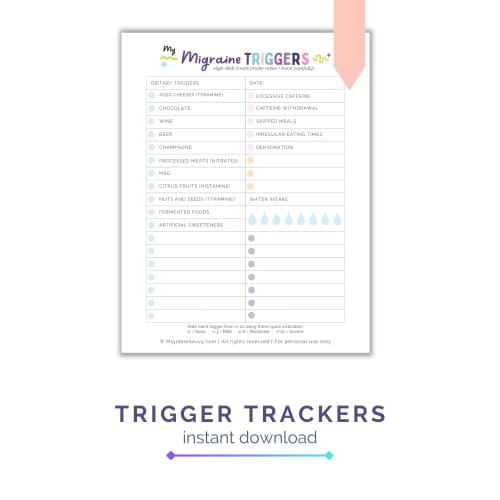
Track Your Migraine Food Triggers
Keeping a food journal or trigger tracker can make it much easier to identify patterns between meals and migraine attacks.
Recording what you eat, when symptoms appear, and other possible triggers can reveal patterns that are difficult to notice otherwise.
My Migraine Trigger Tracker was designed specifically to help you test foods systematically and identify your personal triggers.
Final Thoughts
Learning which foods trigger migraines takes time and patience. While lists of potential triggers can provide helpful guidance, they should be used as starting points rather than strict rules.
With careful testing and tracking, most people living with migraine can gradually build a diet that supports brain health while minimizing trigger foods.
Ready to take the next step?
Choose the next step that fits where you are right now.



MIGRAINE TRIGGERS Related Articles




CATEGORIES
Migraine Types
Symptoms
Migraine Causes
Migraine Triggers
Associated Migraine Conditions
Treatment Options
Prevention Strategies
Medications
Migraine Relief
Complementary Treatments
Migraine Help
Food & Diets
Recipes
Meditation
Your Migraine Stories
Patient Education on Migraine Headaches
MORE SUPPORT
Free Printable Downloads
Migraine Relief Secrets 5-Week eCourse
Free Migraine Pain Management Workshop
Free Module 1 - Migraine Pain Management Course
Free Brain Health Challenges
NEWSLETTER
Practical Tips & Tools for
migraine prevention
Get weekly updates.
CONTACT ME
contact-me@migrainesavvy.com
PRIVACY // TERMS & DISCLAIMERS // REFUND POLICY // AFFILIATE DISCLOSURE // ADVERTISE // CONTACT // SITEMAP // DONATE // SHOP
Medical Disclaimer: The information on MigraineSavvy.com is provided for educational purposes only and should not be used as a substitute for professional medical advice or psychological advice, diagnosis, or treatment. Always consult your healthcare provider before making any healthcare decisions. No content on this website establishes a doctor-patient relationship, and MigraineSavvy.com does not provide medical advice or assume any liability for how the information is used.
By using this website, you agree to the Terms of Use and Privacy Policy.
Copyright © 2010- MigraineSavvy.com. All rights reserved regardless of links or attributions. Content may not be reproduced in any form.

Powered by Solo Build It