How High Fructose Corn Syrup Triggers Migraine - and What You Can Do About It
High fructose corn syrup triggers migraine in many people — and surprisingly, it’s not just in sweets.
As someone who’s lived with migraines for decades — and trained in both nutrition and Chinese medicine — I’ve seen how even small, hidden ingredients can impact the nervous system. High fructose corn syrup (HFCS) is one of the most overlooked triggers, yet it’s in more everyday foods than most people realize.
Let’s have a look at how it works, where it hides, and what you can do to protect yourself.

In this article, you’ll learn:
- What HFCS is and how it may trigger migraines
- Where it hides in everyday foods
- How it compares to other sugars
- Smart, migraine-friendly alternatives
- Action steps for relief and prevention
Let’s uncover what you need to know — and what you can do today to take back control.
What Is High Fructose Corn Syrup?
HFCS is a processed sweetener made from cornstarch, often used to prolong shelf life and enhance taste at a low cost. But its effects on the body may come at a high price — especially for people prone to migraines.
Unlike table sugar (sucrose), which is a 50/50 mix of glucose and fructose, HFCS typically contains 55% fructose and 45% glucose, making it even harder on the body.
Multiple studies, including one from the American Journal of Clinical Nutrition, have linked excessive HFCS consumption to obesity, inflammation, and even metabolic disorders — all of which can contribute to migraine activity.
Want to dig deeper into how food affects migraines? >> Read my full Elimination Diet for Migraine article here.
Why HFCS May Trigger a Migraine Attack
Here’s what we know so far:
- Blood sugar spikes and crashes caused by HFCS can stress the brain, especially in sensitive individuals.
- HFCS contributes to systemic inflammation, which is a known factor in migraine onset.
- It may affect neurotransmitter function, including serotonin and dopamine — both of which play roles in migraine regulation.
- Research cited by The Daily Mail UK found that HFCS may impact the brain in similar ways to addictive drugs like cocaine.
So, it’s no wonder so many of us feel "hooked" — and then hit hard afterward.
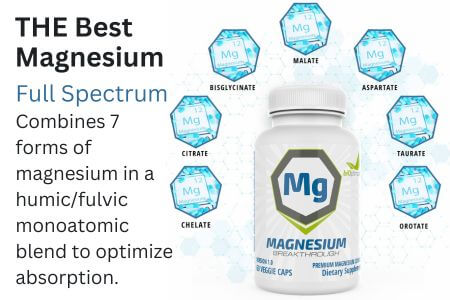
My #1 Choice in Magnesium Supplementation
High Fructose Corn Syrup Triggers Migraine - The Top Offenders Are
Where HFCS Hides: Top Offenders
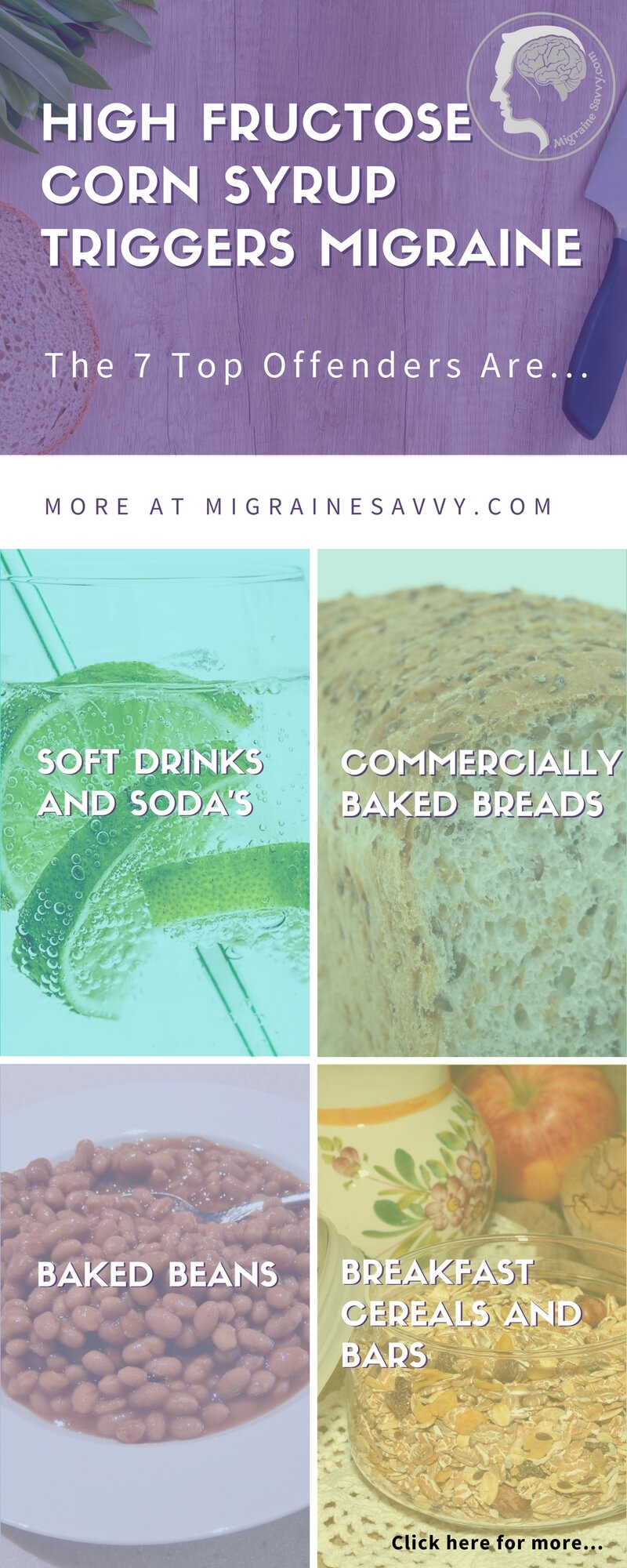
Even if you’re eating “healthy,” HFCS may be lurking. Here's where it most often shows up:
1. Soft drinks and soda’s
2. Sauces and salad dressing (Barbecue sauce, steak sauce, and many packaged salad dressings)
3. Commercially baked breads
4. Baked beans, pickles and canned goods
5. Fruits and vegetables packed in syrup
6. Breakfast cereals and snack bars
7. Breaded meats and processed snacks - potato food snacks are culprits too, not just candies and sweets.

Download my High Fructose Corn Syrup Food List PDF >> here << for a detailed breakdown + safe replacements.
Healthier Sweetener Alternatives
If you need to sweeten things, try these migraine-friendlier choices:
1. Stevia – great for beverages
2. Rice Syrup – mild and hypoallergenic
3. Coconut Palm Sugar – lower glycemic load
4. Raw Honey – antioxidant-rich
5. Molasses – contains iron and minerals
6. Artichoke Syrup – gut-friendly
7. Lucuma Powder – from Peruvian fruit, earthy taste
8. 100% Maple Syrup – natural and nutrient-dense
Note: Any sweetener can still be a trigger. Introduce slowly and monitor your response.
Want more migraine-safe swaps? Browse my Bookstore for workbooks and printable journals that make life easier (and tastier).
What You Can Do to Protect Yourself
Even the most careful person can be blindsided by hidden sugars. Here’s my migraine-first-aid toolkit:
- #1 - Take prescribed abortive medications - I use a triptan and ibuprofen.
- #2. Lie down in a dark room – Reduce sensory overload.
- #3. Use an ice pack and hot water bottle – Soothe nerve pathways.
- #4. Listen to some nice calming music or guided meditation – Reduce anxiety and cortisol.
My favorite magnesium supplement for stress, sleep, and migraine prevention.

Sugar by Any Other Name...
To avoid HFCS and other added sugars, learn to read labels. Watch for:
- D-Fructose (fruit sugar)
- Corn syrup or maize syrup
- D-fructofuranose
- D-Arabino-hexulose
- Levulose
If it ends in -ose, be cautious.
Check out >> How to Spot Sugar on Food Labels – it's an excellent guide.
What Are Your Triggers?
Every person’s migraine puzzle is different.
Please share your experiences on migraine triggers here. You might help someone else discover their own pattern.
And now that you know high fructose corn syrup triggers migraine, and that it could be one of yours, will you start avoiding it?
Next Steps for You
- Read the Elimination Diet Article
- Download the HFCS Food List PDF
- Check out the Bookstore for more books and guides
- Take the Migraine Pain Management Course for structured guidance
- Try Magnesium Breakthrough if you’re looking for prevention support
Until next time, be well and be pain free.

Frequently Asked Questions About HFCS and Migraine
Just click on the arrow for the answer.
Can high fructose corn syrup really trigger a migraine?
Can high fructose corn syrup really trigger a migraine?
Answer: Yes, HFCS may contribute to migraines in some people by causing blood sugar fluctuations, inflammation, and neurological stress — all known migraine triggers.
What’s the difference between HFCS and regular sugar?
What’s the difference between HFCS and regular sugar?
Answer: HFCS contains slightly more fructose than table sugar. While both can be problematic and trigger an attack, HFCS is more processed and commonly added to packaged foods, making it easier to overconsume unknowingly.
How can I tell if a product contains HFCS?
How can I tell if a product contains HFCS?
Answer: Check food labels for terms like high fructose corn syrup, corn syrup, glucose-fructose, or anything ending in "-ose" like dextrose or fructose.
What are some signs that HFCS might be triggering my migraine attacks?
What are some signs that HFCS might be triggering my migraine attacks?
Answer: If you notice headaches after eating packaged snacks, sweetened beverages, or condiments — especially within a few hours — HFCS could be a trigger. Keeping a food and migraine journal can help you confirm this.
Is HFCS always listed clearly on ingredient labels?
Is HFCS always listed clearly on ingredient labels?
Answer: Not always. It may appear under alternative names like maize syrup, fruit sugar, or glucose-fructose syrup. Learning to read labels is your best defense.
Ready to take the next step?
Choose the next step that fits where you are right now.


MIGRAINE TRIGGERS Related Articles






CATEGORIES
Migraine Types
Symptoms
Migraine Causes
Migraine Triggers
Associated Migraine Conditions
Treatment Options
Prevention Strategies
Medications
Migraine Relief
Complementary Treatments
Migraine Help
Food & Diets
Recipes
Meditation
Your Migraine Stories
Patient Education on Migraine Headaches
MORE SUPPORT
Free Printable Downloads
Migraine Relief Secrets 5-Week eCourse
Free Migraine Pain Management Workshop
Free Module 1 - Migraine Pain Management Course
Free Brain Health Challenges
NEWSLETTER
Practical Tips & Tools for
migraine prevention
Get weekly updates.
CONTACT ME
contact-me@migrainesavvy.com
PRIVACY // TERMS & DISCLAIMERS // REFUND POLICY // AFFILIATE DISCLOSURE // ADVERTISE // CONTACT // SITEMAP // DONATE // SHOP
Medical Disclaimer: The information on MigraineSavvy.com is provided for educational purposes only and should not be used as a substitute for professional medical advice or psychological advice, diagnosis, or treatment. Always consult your healthcare provider before making any healthcare decisions. No content on this website establishes a doctor-patient relationship, and MigraineSavvy.com does not provide medical advice or assume any liability for how the information is used.
By using this website, you agree to the Terms of Use and Privacy Policy.
Copyright © 2010- MigraineSavvy.com. All rights reserved regardless of links or attributions. Content may not be reproduced in any form.

Powered by Solo Build It