- Home
- Migraine Relief
- Can Magnesium Help With Migraine
Can Magnesium Help With Migraine? What the Research Shows
Can magnesium help with migraine attacks or prevention? The answer is not a simple yes or no.
Research suggests magnesium may reduce migraine frequency for some people, particularly those who are deficient. However, results vary, and magnesium is not an instant fix.
Let’s look at what the science says, who may benefit most, and how to approach magnesium safely.
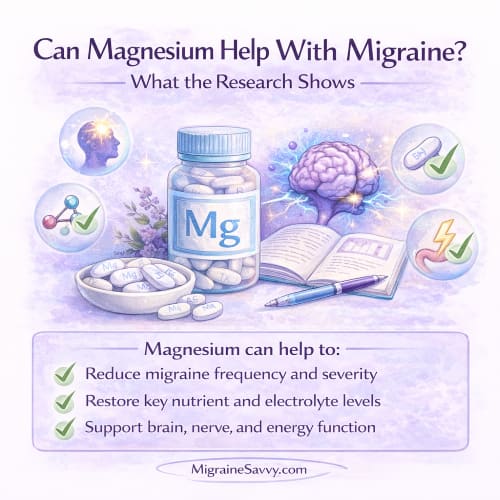 Research suggests magnesium may help reduce migraine frequency by supporting brain signaling, nerve function, and electrolyte balance
Can Magnesium Help with Migraine Prevention?
Magnesium is one of the most commonly studied supplements for migraine prevention. Several clinical trials suggest it may reduce attack frequency, particularly in individuals with low magnesium levels.
The American Academy of Neurology and the American Headache Society classify magnesium as “probably effective” for migraine prevention. Most studies evaluate doses between 300 and 600 mg per day.
However, not everyone responds. Some studies show modest reductions in frequency, while others show minimal benefit. This variation is likely due to differences in deficiency status, dosage, form used, and individual physiology.
Magnesium is considered a preventive strategy, not an abortive treatment. It is not designed to stop an active migraine attack.
Why Magnesium May Help Migraine
Migraine is a neurovascular condition involving altered brain signaling, inflammation, and sensory sensitivity. Magnesium plays several important roles in these pathways.
Magnesium supports:
- Regulation of neurotransmitters involved in pain signaling
- Stabilization of neural excitability
- Reduction of cortical spreading depression
- Vascular tone regulation
- Energy production within brain cells
Research has also found that up to 50 percent of individuals may have lower magnesium levels during acute migraine attacks.
Because of its role in nervous system stability, maintaining adequate magnesium levels may help reduce susceptibility to attacks.
What the Research Shows
Clinical studies on magnesium and migraine date back several decades.
A 1996 study found that approximately 41 percent of participants taking oral magnesium experienced a reduction in migraine frequency after 9 to 12 weeks. Some participants reported digestive side effects such as diarrhea.
Other research has shown that intravenous magnesium may provide relief in certain acute settings, particularly in patients with documented magnesium deficiency. However, this is hospital-based treatment and not routine supplementation.
The National Institutes of Health notes that while evidence is not definitive, magnesium supplementation may benefit some individuals and is generally considered safe when used appropriately. [2]
Overall conclusion from current research:
Magnesium may reduce migraine frequency for some individuals, particularly those with deficiency or specific migraine subtypes such as migraine with aura.
How Long Does Magnesium Take to Work?
Magnesium requires consistent daily use.
Most studies evaluate outcomes after 4 to 12 weeks of supplementation. Some individuals may require several months before noticing changes.
It is important to approach magnesium as part of a long-term prevention strategy, not a quick fix.
 Foods high in magnesium may help reduce migraine frequency in some individuals
Can You Increase Magnesium Through Food?
Dietary magnesium intake may support overall neurological health.
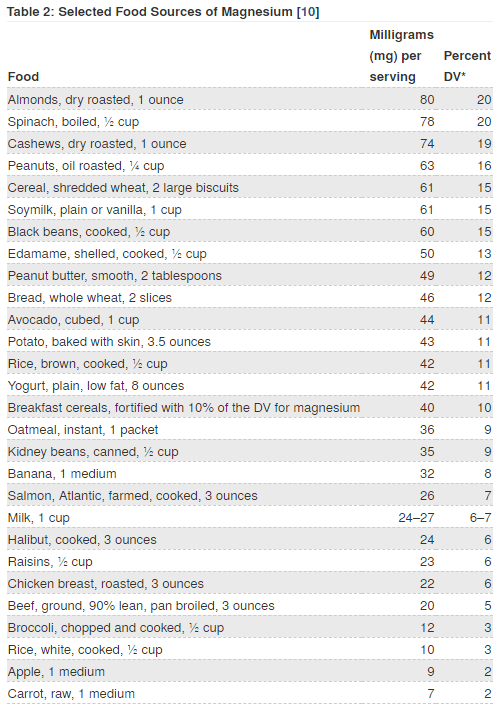
Foods high in magnesium include:
- Soy products, brown rice, yogurt, milk.
- Nuts* and seeds: raw almonds, cashews, Brazil nuts, pumpkin seeds and sunflower seeds.
- Green leafy vegetables: spinach, silver beet and kale.
- Whole grains: rye, quinoa, oats, wheat and buckwheat.
- Legumes: peas and beans.*
- Fruits: avocados*, bananas*, and dried apricots.
*However, some of these foods may be migraine triggers for certain individuals. Personal tolerance matters.
If digestive issues affect nutrient absorption, addressing gut health may also influence magnesium status. You can read more here → Digestion Problems and Migraine.
Should You Take a Magnesium Supplement?
If dietary intake is insufficient or deficiency is suspected, supplementation may be considered under medical guidance.
Choosing the correct form of magnesium matters significantly. Different forms vary in absorption, digestive tolerance, and neurological impact.
For a detailed breakdown of the most effective forms and how to choose the right one for your symptoms, read:
→ Which Magnesium Is Best for Migraines?
That article explains the differences between glycinate, threonate, malate, and citrate and how they are used in migraine prevention.
Safety and Important Considerations
Magnesium is generally well tolerated, but higher doses can cause side effects including:
- Diarrhea
- Abdominal cramping
- Low blood pressure
- Nausea
Other side effects may include muscle weakness, loss of appetite, mental changes, irregular heartbeat, and problems breathing. If symptoms are serious, please seek emergency medical attention.
Individuals with kidney disease should not supplement without physician supervision.
Magnesium may also interact with certain medications. Always consult your healthcare provider before beginning supplementation.
Final Thoughts
So, can magnesium help with migraine?
For some people, yes. Particularly if magnesium deficiency is present or if neurological stability improves with supplementation.
For others, the effect may be modest or minimal.
Magnesium is best viewed as one component of a comprehensive migraine prevention strategy. It requires patience, consistency, and appropriate dosing.
If you are considering supplementation, start by understanding the different forms available and how they function.
→ Read next: Which Magnesium Is Best for Migraines?
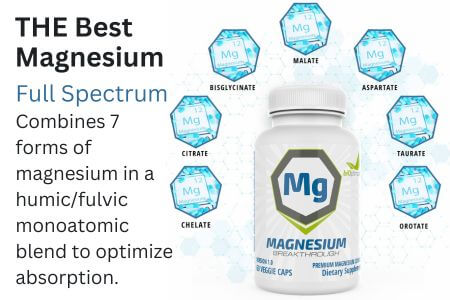
If you prefer a full-spectrum magnesium option that combines multiple forms in one formula, I currently use and recommend BiOptimizers Magnesium Breakthrough.
Disclosure: Some links may be affiliate links. If you choose to purchase through them, I may earn a small commission at no additional cost to you.
My #1 Choice in Magnesium Supplementation
Ready to take the next step?
Choose the next step that fits where you are right now.



MIGRAINE RELIEF Related Articles




References:
1. Mauskop A, Altura BM. Role of magnesium in the pathogenesis and treatment of migraines. Clin Neurosci. 1998;5(1):24–27.
2. National Institutes of Health Office of Dietary Supplements. Magnesium Fact Sheet for Health Professionals.

CATEGORIES
Migraine Types
Symptoms
Migraine Causes
Migraine Triggers
Associated Migraine Conditions
Treatment Options
Prevention Strategies
Medications
Migraine Relief
Complementary Treatments
Migraine Help
Food & Diets
Recipes
Meditation
Your Migraine Stories
Patient Education on Migraine Headaches
MORE SUPPORT
Free Printable Downloads
Migraine Relief Secrets 5-Week eCourse
Free Migraine Pain Management Workshop
Free Module 1 - Migraine Pain Management Course
Free Brain Health Challenges
NEWSLETTER
Practical Tips & Tools for
migraine prevention
Get weekly updates.
CONTACT ME
contact-me@migrainesavvy.com
PRIVACY // TERMS & DISCLAIMERS // REFUND POLICY // AFFILIATE DISCLOSURE // ADVERTISE // CONTACT // SITEMAP // DONATE // SHOP
Medical Disclaimer: The information on MigraineSavvy.com is provided for educational purposes only and should not be used as a substitute for professional medical advice or psychological advice, diagnosis, or treatment. Always consult your healthcare provider before making any healthcare decisions. No content on this website establishes a doctor-patient relationship, and MigraineSavvy.com does not provide medical advice or assume any liability for how the information is used.
By using this website, you agree to the Terms of Use and Privacy Policy.
Copyright © 2010- MigraineSavvy.com. All rights reserved regardless of links or attributions. Content may not be reproduced in any form.

Powered by Solo Build It