Migraine Relief and Prevention: A Strategic Approach to Managing Attacks
If migraine attacks are ruining your days, your sleep, and your plans, you’re not alone.
Living with migraine is more than just managing the pain... it’s the constant uncertainty of when the next attack will strike, the frustration of treatments that sometimes work and then fail, and the mental load of trying to protect your life while knowing it can all be derailed in an instant.
I’ve spent over 30 years navigating chronic attacks and studying what actually helps reduce debilitating symptoms and their impact. Here, you’ll find practical guidance, clear evidence-based information, and actionable tools to make informed choices about managing attacks.
You don’t have to fix everything today. Start with what matters most now, take small steps, and gradually build a plan that supports your life despite migraine.
→ Watch the Free Migraine Management Workshop

Where Should You Start?
If you’re not sure where to begin, these pathways can guide you to the most helpful information.
I need relief from a migraine attack right now → Go to acute migraine relief strategies.
I've just been diagnosed with migraine → Start with the migraine quick start guide.
I've tried everything and nothing works → Learn about my structured migraine management courses.
I want to reduce how often migraine attacks happen → Use my migraine tracking tools to identify patterns and triggers.
I'm supporting someone living with migraine → Read the guide for families and caregivers.
Foundations of Migraine Management
If you are newly diagnosed or still trying to understand your pattern, begin here. These core areas form the foundation of effective long-term management.
When you understand your symptoms, identify patterns, and know your treatment options, you reduce guesswork. That clarity can make managing migraine attacks far less overwhelming.
Symptoms & Migraine Stages
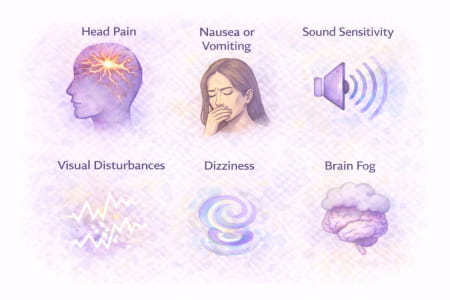
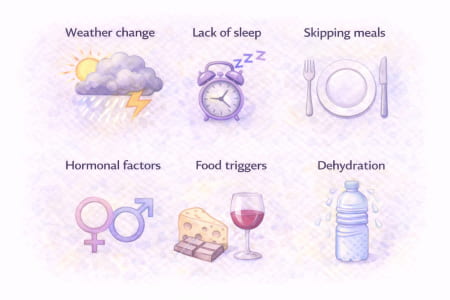
Triggers & Pattern Recognition
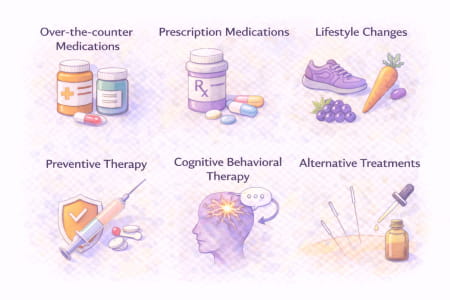
Acute & Preventive Treatment
Advanced Migraine Management Strategies
Once the basics are clear, you can begin strengthening your plan with more targeted, long-term approaches.
These sections help you evaluate medications, build stable routines, assess dietary influence, and consider non-drug options in a practical, structured way.

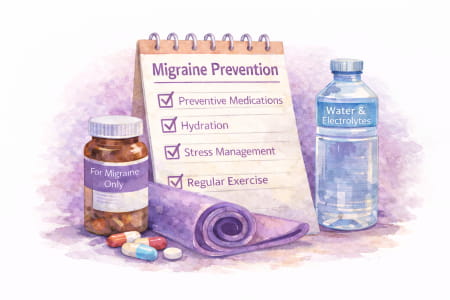

Alternative Treatments

Migraine Education and Relief Topics
These pages provide deeper context on migraine causes, relief strategies, related conditions, and long-term management considerations.
Brain Health & Long-Term Resilience
Migraine involves changes in brain excitability and sensory processing. Over time, repeated attack patterns may increase sensitivity.
Research into neuroplasticity and central sensitization continues to evolve. Understanding how the brain adapts and responds to stress, sleep disruption, hormonal shifts, and environmental triggers can help guide long-term prevention strategies.
While migraine remains highly individual, strengthening neurological resilience through consistent sleep habits, stress regulation, and targeted nutrition may support greater long-term stability.
Sustainable management is not about perfection. It is about reducing pain severity, improving recovery time, and supporting steadier nervous system regulation.
Small adjustments made consistently often produce stronger long-term results than dramatic short-term changes.
You can learn more here:
Building a Sustainable Management Plan
Long-term migraine care requires more than isolated tactics. It involves identifying patterns over time, evaluating how treatments interact, recognizing early warning signs, and adjusting strategies as your physiology changes.
What works at one stage of life may need refinement later. Hormones shift. Stress load changes. Sleep patterns fluctuate. Your plan must adapt with you.
A sustainable approach accounts for sleep quality, medication timing, dietary patterns, stress regulation, and recovery between attacks. You observe what happens. You make informed adjustments. You reassess.
The goal is not to eliminate every variable. It is to increase stability, strengthen decision-making confidence, and protect your quality of life over time.
If you need structured support beyond symptom management, start here → Migraine Help
Structured Resources for Strategic Migraine Management
If you’re tired of trying one thing after another without a clear plan, this is where we put structure in place.
Below you’ll find guided learning, practical tracking tools, and my pain management course with step-by-step instruction to help you build a reliable and sustainable treatment plan.
Each option is designed to help you apply strategies consistently and make informed decisions over time.
Free Educational Workshop
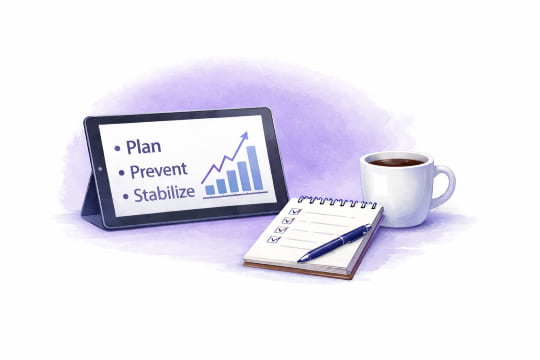
A Practical Introduction to Long-Term Management
If you’re unsure where to begin, start here.
In just 40 minutes, you’ll gain practical tools and insights to manage attacks more confidently, so you’re not left scrambling in pain.
You’ll learn simple stress regulation, prevention strategies, common triggers, how an attack develops, and what you can do to stop it from escalating. I also cover the most effective approaches for food, diet, supplements, and lifestyle changes.
This workshop is the easiest way to step back, see the bigger picture, and start building a more reliable plan for managing migraine.
"This workshop helped me finally understand my triggers and what could be driving my attacks. Once I applied what Holly explained, the timing and what I need to do finally made sense." ~ Megan
Printable Migraine Tracking Tools & Books
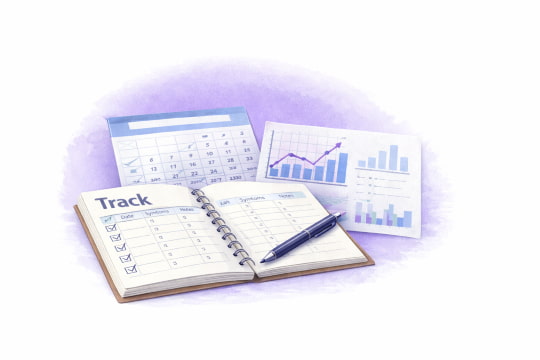
Structured Tracking for Informed Treatment Decisions
The printable symptom tracker journal, trigger trackers and planning workbooks help you document symptoms and triggers, identify patterns, evaluate treatment response, and refine your plan over time.
Tracking creates clarity — and clarity supports better decision making.
"The symptom & trigger trackers changed everything for me. I could finally see patterns I’d missed for years and explain them clearly to my doctor." ~ Sam
Guided Courses for Migraine Management
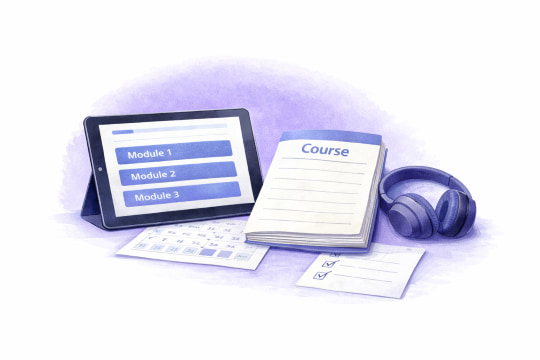
Step-by-Step Learning for Prevention and Planning
If managing migraine on your own feels overwhelming, a structured program can help.
My courses combine video lessons, guided exercises, and printable tools to help you evaluate treatment options, stabilise routines, and build a more sustainable migraine management plan.
Quick overview:
- Migraine Pain Management: 5 self-paced step-by-step modules to build your pain relief plan → Lasting relief $129
- Managing Anxiety & Depression: 7 modules → Reduce stress and impact $69
- Meditation & Energy Healing: 10 guided meditations → Nervous system support $49
Courses are fully self-paced, so you can learn at your own speed.
"This course is brilliant, very practical, structured, and easy to apply. The worksheets and planning tools make it simple to start building a pain management plan. It gave me a renewed sense of hope and direction for the future. And I finally have a plan instead of guessing." Charlotte B.
"Even my doctor was impressed and probably happy that I got the right details so he could stop having to phone me in emergencies." Sandra L.
Practical Tools & Supplies

Targeted Support for Acute and Preventive Care
This curated shop brings together practical tools like ice packs and devices that support both prevention routines and acute attack management.
These items are not substitutes for medical care. They are supportive tools that can improve comfort, reinforce consistency, and make each attack more bearable.
Having reliable tools in place reduces anxiety during attacks and supports steadier routines between them.
A Final Word
Living with this complex neurological condition can feel isolating and unpredictable. Even with good information and careful planning, there will be frustrating periods. Progress rarely happens in a straight line.
Finding effective migraine relief is often a long-term process of learning your triggers, refining treatments, and building routines that support your brain and nervous system.
If you feel overwhelmed, start small. One pattern. One adjustment. One informed decision.
And while you’re learning what works for you, remember to be patient and kind to yourself.
Wishing you moments of comfort, resilience, and vibrant good health.

P.S. One More Freebie: My Top 5 Tools for Reducing Migraine Attacks
These five strategies made a big difference early on with migraine attacks, and I still use them when I need to. Download the printable, fillable monthly migraine diary, additional trackers, and simple neck and back stretches designed to support migraine prevention.
Recent Articles


-
Digestion Problems and Migraine: Gut-Brain Link Explained
Jul 01, 26 07:08 PM
 Digestion problems and migraine are linked through the gut-brain axis. Learn how inflammation, IBS, and nutrient absorption affect attacks.
 -
Migraine Quick Start Guide for Relief & Prevention
Apr 09, 26 09:12 PM
A practical migraine quick start guide for sufferers and carers to learn the right first steps. Newly diagnosed, long-term migraine, and support strategies. -
Patient Education on Migraine Headaches: Symptoms, Causes & Treatment
Apr 09, 26 09:05 PM
Patient education on migraine headaches helps you understand symptoms, causes, treatment options, and prevention strategies for better long-term management.




CATEGORIES
Migraine Types
Symptoms
Migraine Causes
Migraine Triggers
Associated Migraine Conditions
Treatment Options
Prevention Strategies
Medications
Migraine Relief
Complementary Treatments
Migraine Help
Food & Diets
Recipes
Meditation
Your Migraine Stories
Patient Education on Migraine Headaches
MORE SUPPORT
Free Printable Downloads
Migraine Relief Secrets 5-Week eCourse
Free Migraine Pain Management Workshop
Free Module 1 - Migraine Pain Management Course
Free Brain Health Challenges
NEWSLETTER
Practical Tips & Tools for
migraine prevention
Get weekly updates.
CONTACT ME
contact-me@migrainesavvy.com
PRIVACY // TERMS & DISCLAIMERS // REFUND POLICY // AFFILIATE DISCLOSURE // ADVERTISE // CONTACT // SITEMAP // DONATE // SHOP
Medical Disclaimer: The information on MigraineSavvy.com is provided for educational purposes only and should not be used as a substitute for professional medical advice or psychological advice, diagnosis, or treatment. Always consult your healthcare provider before making any healthcare decisions. No content on this website establishes a doctor-patient relationship, and MigraineSavvy.com does not provide medical advice or assume any liability for how the information is used.
By using this website, you agree to the Terms of Use and Privacy Policy.
Copyright © 2010- MigraineSavvy.com. All rights reserved regardless of links or attributions. Content may not be reproduced in any form.

Powered by Solo Build It
MigraineSavvy.com does not sell any personal information.